Brow lift Botox (often called a Botox brow lift) is a refined, non-surgical approach to brighten the eye area, soften heaviness, and create a subtle lift of the eyebrow tail. By balancing the elevators (frontalis) against the depressors (glabellar complex and lateral orbicularis oculi), carefully placed toxin can open the peri-orbital region with natural, elegant results.

- What is Brow Lift Botox?
- How a Botox Brow Lift Works
- Who Is a Good Candidate?
- Key Benefits & Expected Results
- Upper-Face Anatomy: Elevators vs Depressors
- Clinical Approach & Planning
- Risks, Side Effects & How to Avoid Pitfalls
- Aftercare, Onset & Review
- Training & Mastery (for clinicians)
- Brow Lift Botox FAQs
What Is Brow Lift Botox?
Brow lift Botox is a tailored toxin treatment that reduces the downward pull of brow depressors while preserving selective activity of the frontalis to lift and arch the brows. Unlike surgical brow lifts, this method has minimal downtime and focuses on subtle, undetectable enhancement rather than dramatic change.
How a Botox Brow Lift Works
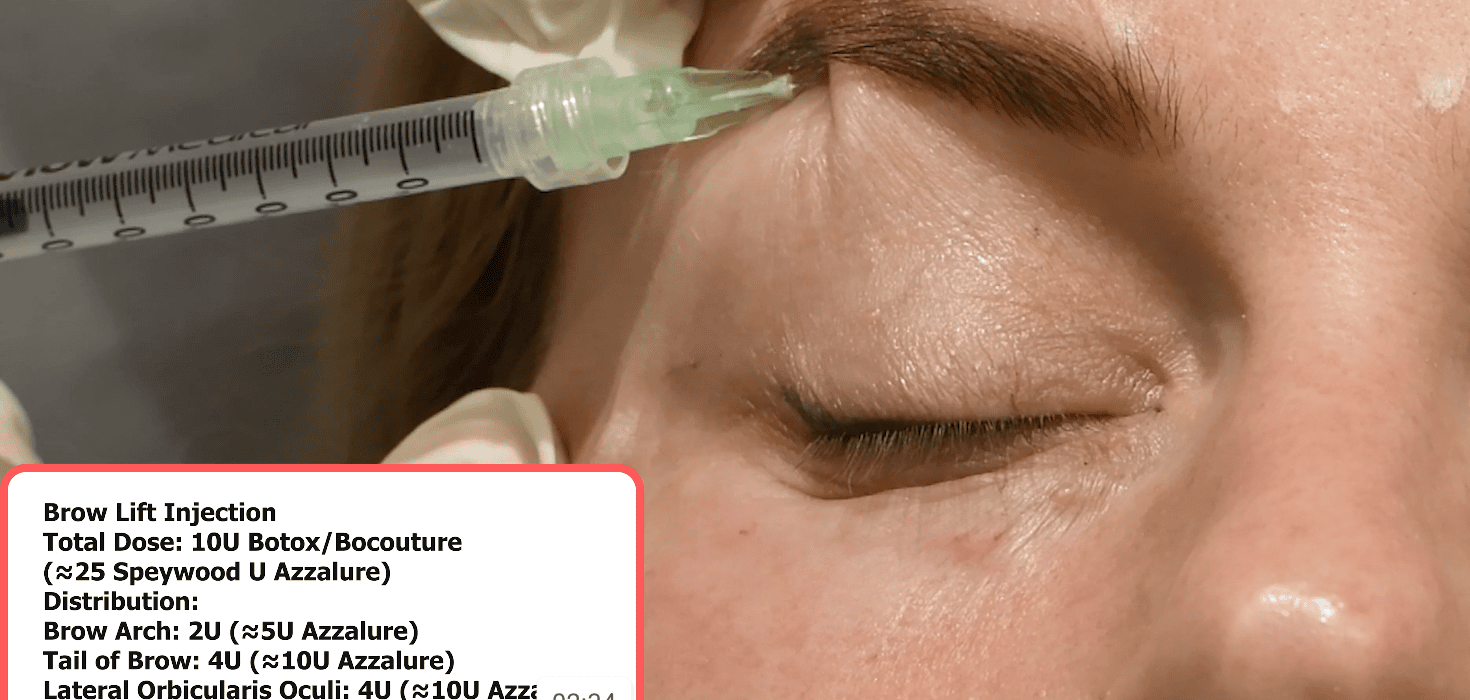
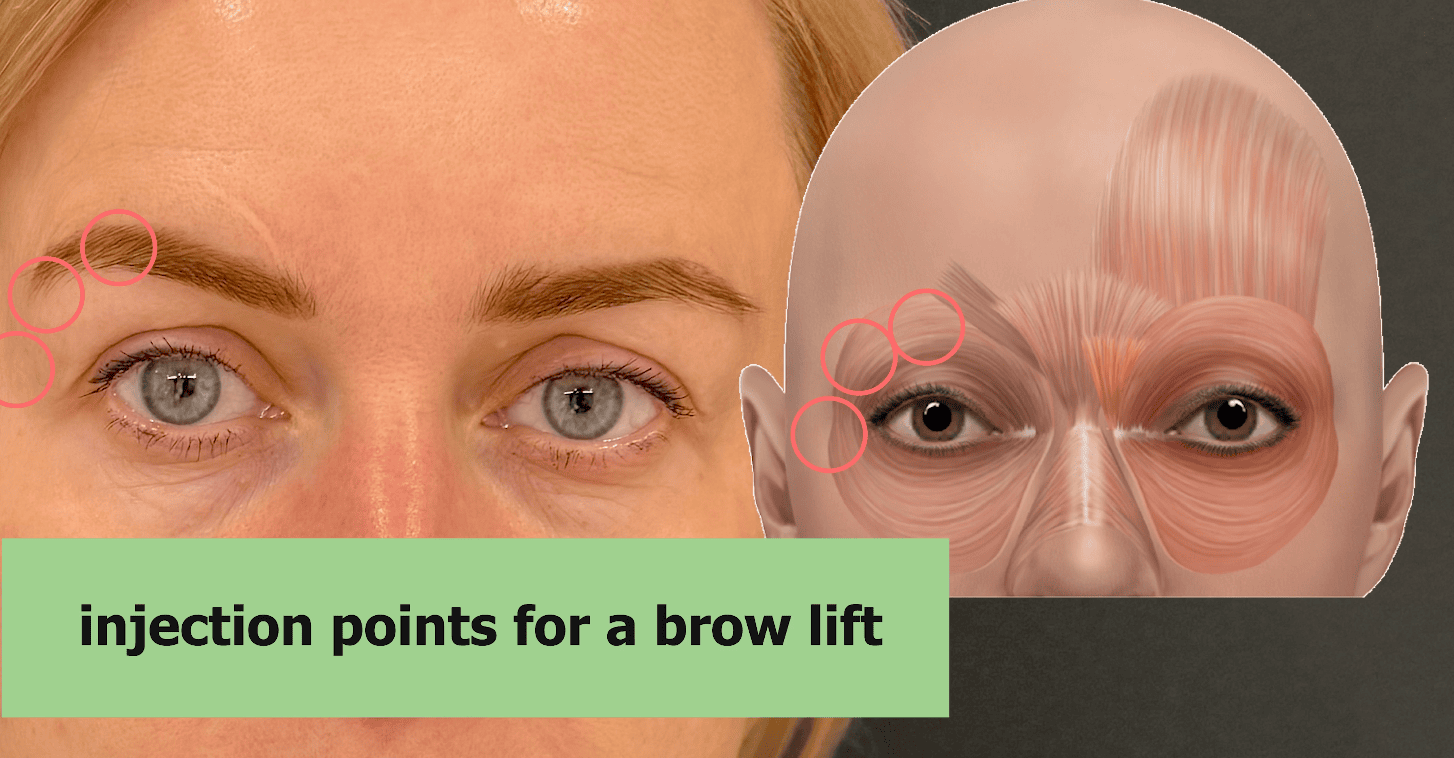
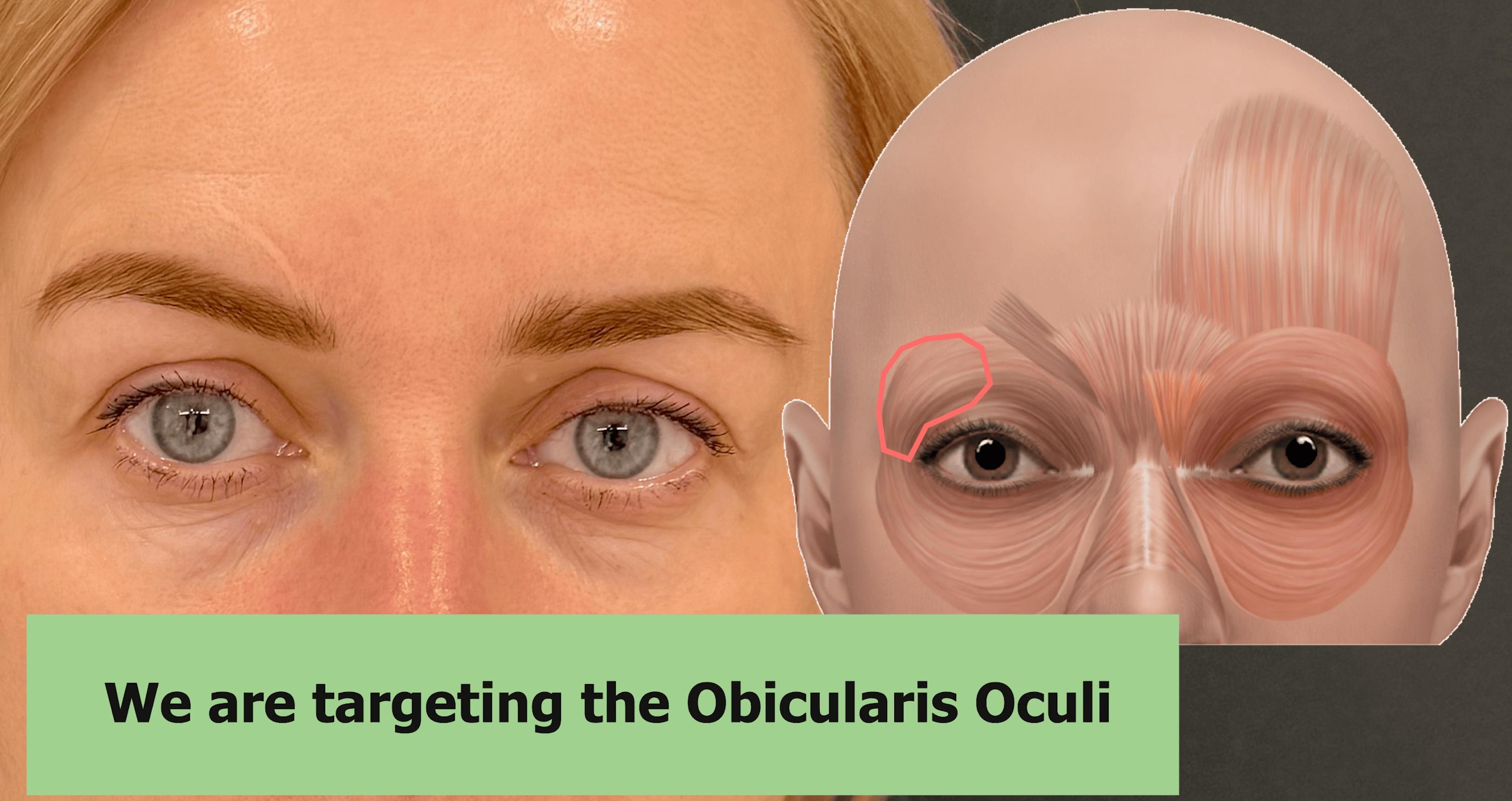
Botulinum toxin relaxes selected brow depressors (for example elements of the corrugator/procerus complex and lateral orbicularis oculi), while sparing and shaping frontalis activity so the remaining elevator function can gently lift the brows—especially the lateral third (the “tail”). The lift achieved is individual and depends on anatomy, muscle tone, and treatment design.
Who Is a Good Candidate?
- Clients with mild heaviness of the brow or hooded appearance who prefer non-surgical solutions.
- Those with dynamic lines across the glabella/forehead who want smoother skin and a fresher look.
- Individuals seeking subtle lift rather than a dramatic, fixed arch.
Note: Significant tissue laxity or volume loss may require combination treatments (e.g., skin tightening or strategic fillers) for optimal outcomes.
Key Benefits & Expected Results
- Non-surgical: no incisions, minimal downtime.
- Refreshed eyes: soft opening of the peri-orbital region.
- Smoother upper face: improved appearance of frown and horizontal lines.
- Customisable: shape can be tailored to facial proportions and goals.
- Temporary & adjustable: typically lasts around a season, allowing refinement over time.
Upper-Face Anatomy: Elevators vs Depressors
Successful brow lift Botox starts with understanding opposing vectors:
- Elevator: frontalis (upward/lateral lift).
- Depressors: corrugator supercilii, procerus, depressor supercilii, and the lateral orbicularis oculi (downward/medial pull).
The treatment plan balances these forces, maintaining enough elevator function to lift while softening excessive depressor activity—avoiding exaggerated arches or heaviness.

Clinical Approach & Planning
- Brow shape and desired endpoint (especially the lateral third).
- Frontalis pattern (avoid over-weakening targeted “support zones”).
- Glabellar and lateral OOc activity at rest and on animation.
- Skin quality, laxity, and skeletal proportions.
Risks, Side Effects & How to Avoid Pitfalls
- “Spock” brow: over-weakening medial frontalis or insufficient glabellar balance may over-accentuate the tail. Review and gentle re-balancing typically resolves it.
- Ptosis risk: avoid deep/superior diffusion near eyelid elevators; adhere to safe planes and distances per training.
- Asymmetry: small lateral differences can create noticeable unevenness; symmetry checks during planning are essential.
- Common transient effects: mild redness, swelling, tenderness, or bruising at injection sites.
Aftercare, Onset & Review
- Onset: typically 2–7 days, with a peak around 2 weeks.
- Duration: often ~3–4 months, depending on metabolism and muscle strength.
- Review: book a neutral “review/adjustment” at 2–3 weeks to fine-tune balance.
- Activity: avoid vigorous exercise/sauna/massage on the day of treatment as advised by your clinician.
Training & Mastery (for Clinicians)
Upper-face design is nuanced. At Dr. Dray Academy, our CPD-accredited pathways cover glabellar–frontalis–OOc balancing for brow lift Botox, including consultation flow, anatomy-first planning, and complication avoidance—on live models under expert supervision.
Explore the Botox Training Course
Book Weekend Complete Mastery
Brow Lift Botox – FAQs
How much lift can I expect from a Botox brow lift?
Lift is typically subtle and patient-specific. The goal is a refreshed, more open eye area rather than a dramatic arch. Your clinician will design a plan around your anatomy and preferences.
How quickly will I see results and how long will they last?
Most people see a change within a week, with peak effect at ~2 weeks. Results usually last around 3–4 months, then gradually soften as muscle activity returns.
Is a brow lift with Botox better than surgery?
They serve different goals. Brow lift Botox is non-surgical with minimal downtime and subtle results; surgical lifts can deliver larger, longer-lasting changes but involve incisions and recovery.
Can a Botox brow lift fix hooded eyes?
It can modestly open the peri-orbital area when hooding is primarily dynamic and muscle-related. If tissue laxity or volume loss dominates, combination treatments may be recommended.
Train Confidently in Brow Lift Botox
Learn elegant, anatomy-led upper-face designs with live model supervision and expert feedback.
© 2025 Dr. Dray Academy – CPD-Accredited Aesthetic Training, London