How to Become a Botox Injector in the UK: The Real Step-by-Step Path to Confidence (2026)
If you’re searching how to become a botox injector in the UK, what you really want is a path to safe,
repeatable outcomes — not just a certificate. This guide breaks down the steps that actually matter for medical professionals.
Step 1: Confirm UK Eligibility (Botox is a Prescription-Only Medicine)
In the UK, botulinum toxin is a prescription-only medicine (POM). That means safe practice involves
appropriate prescribing, clinical governance, and a clear model for consent and aftercare.
Common eligible professional groups include:
- Doctors
- Dentists
- Nurse prescribers
- Pharmacist prescribers
Step 2: Choose Botox Training That Teaches Thinking
Many clinicians do multiple short courses and still feel unsure. The usual reason is fragmented learning:
technique without assessment, dosing without anatomy, and no system for decision-making.
High-quality botox injector training should include:
- facial assessment and decision-making
- upper-face anatomy and muscle dynamics
- planning for different ages and presentations
- male vs female strategy differences
- conservative dosing for natural results
- complication awareness and prevention mindset
Step 3: Learn Upper-Face Anatomy Properly (This Is the Shortcut)
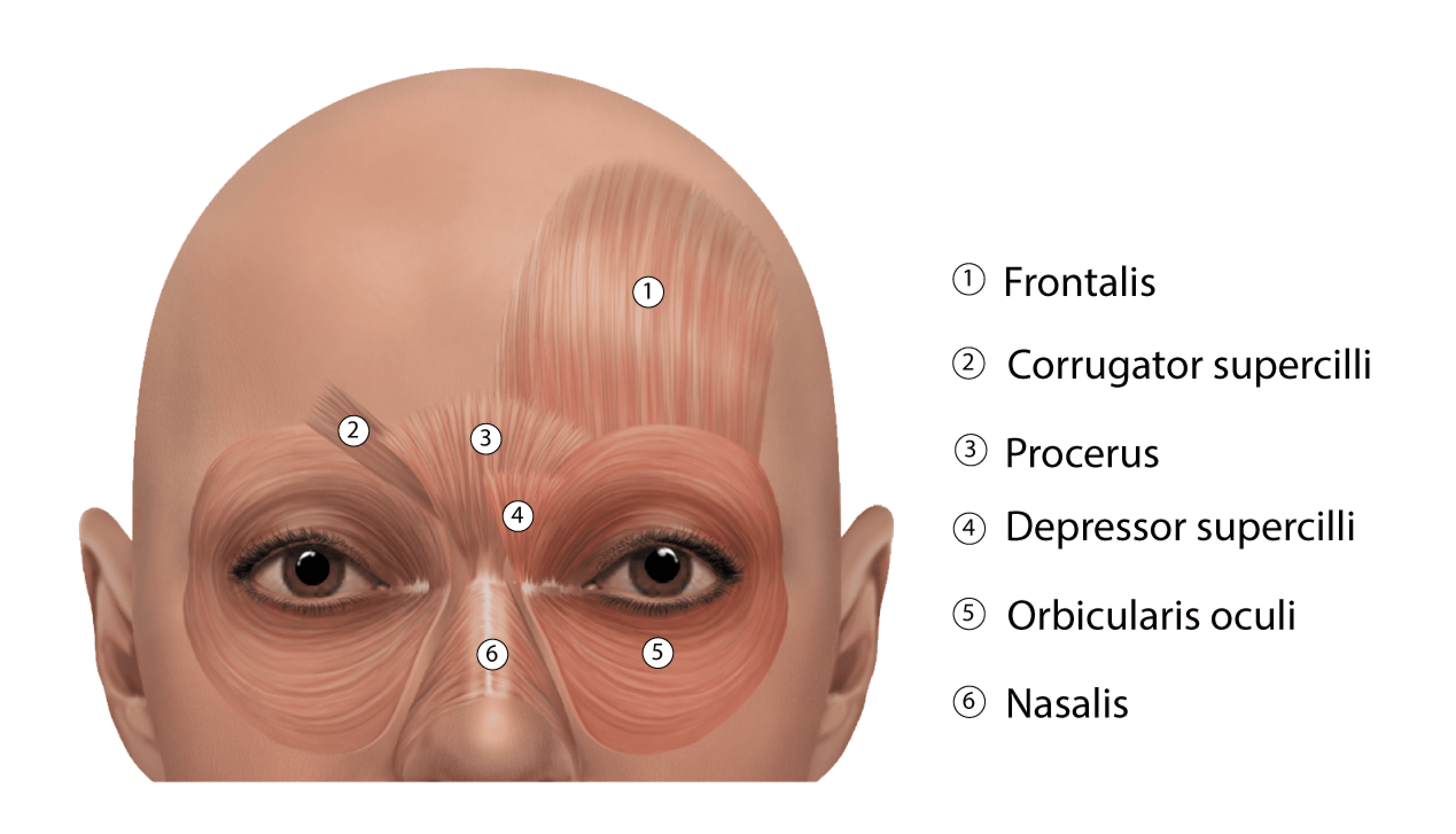
Confidence comes from understanding the interplay between frontalis, corrugator, procerus and
orbicularis oculi. Most aesthetic errors are balance errors — not “needle skill” errors.
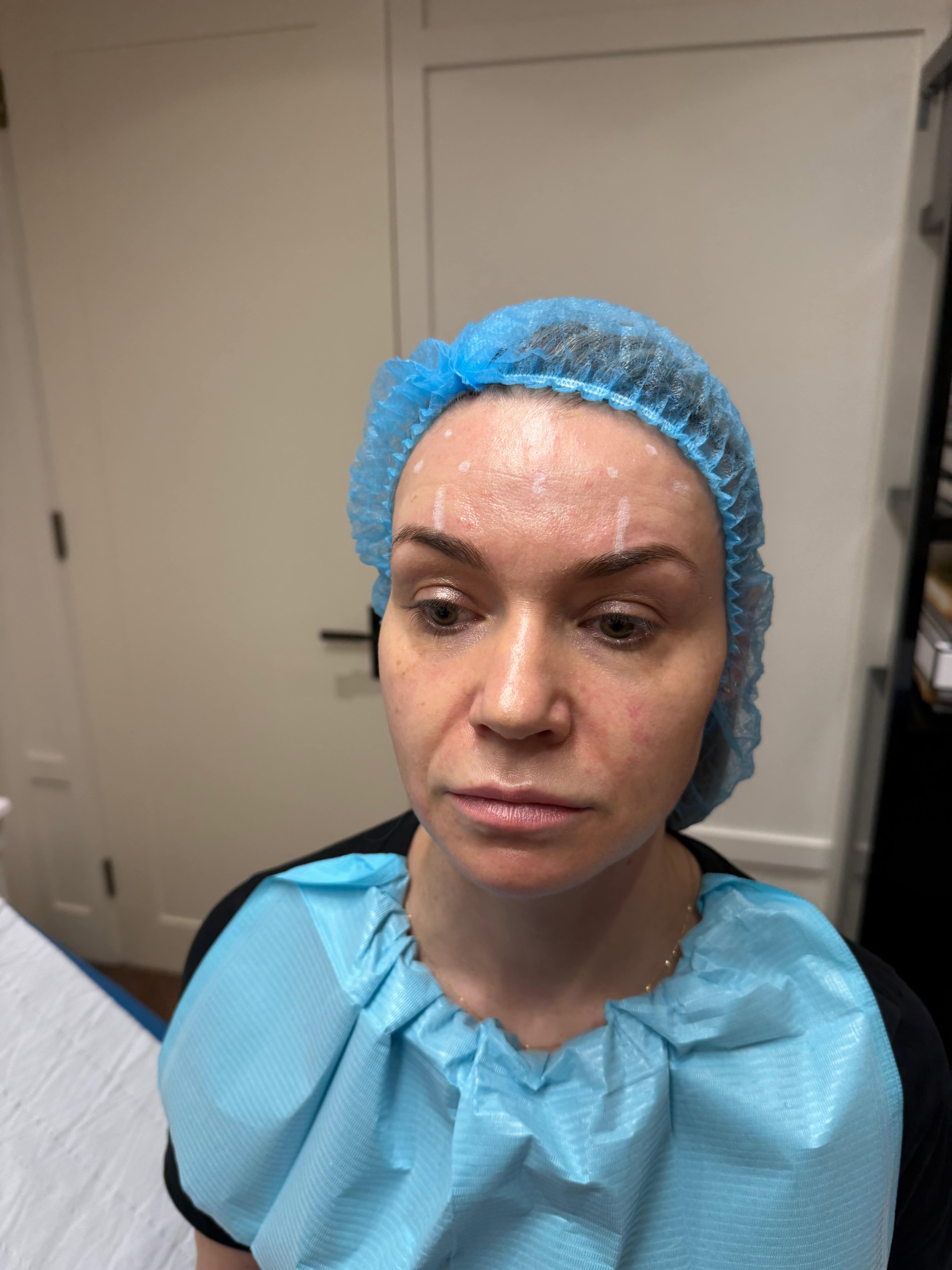
Step 4: Learn Planning (Not “Injection Points”)
Becoming genuinely good at Botox is about planning: what to treat, what to preserve, and how to avoid heaviness or
tell-tale over-treatment.
Elite planning usually means:
- treating expression first (not just static photos)
- identifying compensation patterns (especially heavy lids)
- using restraint and staging treatments
- prioritising symmetry through strategy — not extra units
Step 5: Eye Lift / Hooding: The Judgement Test
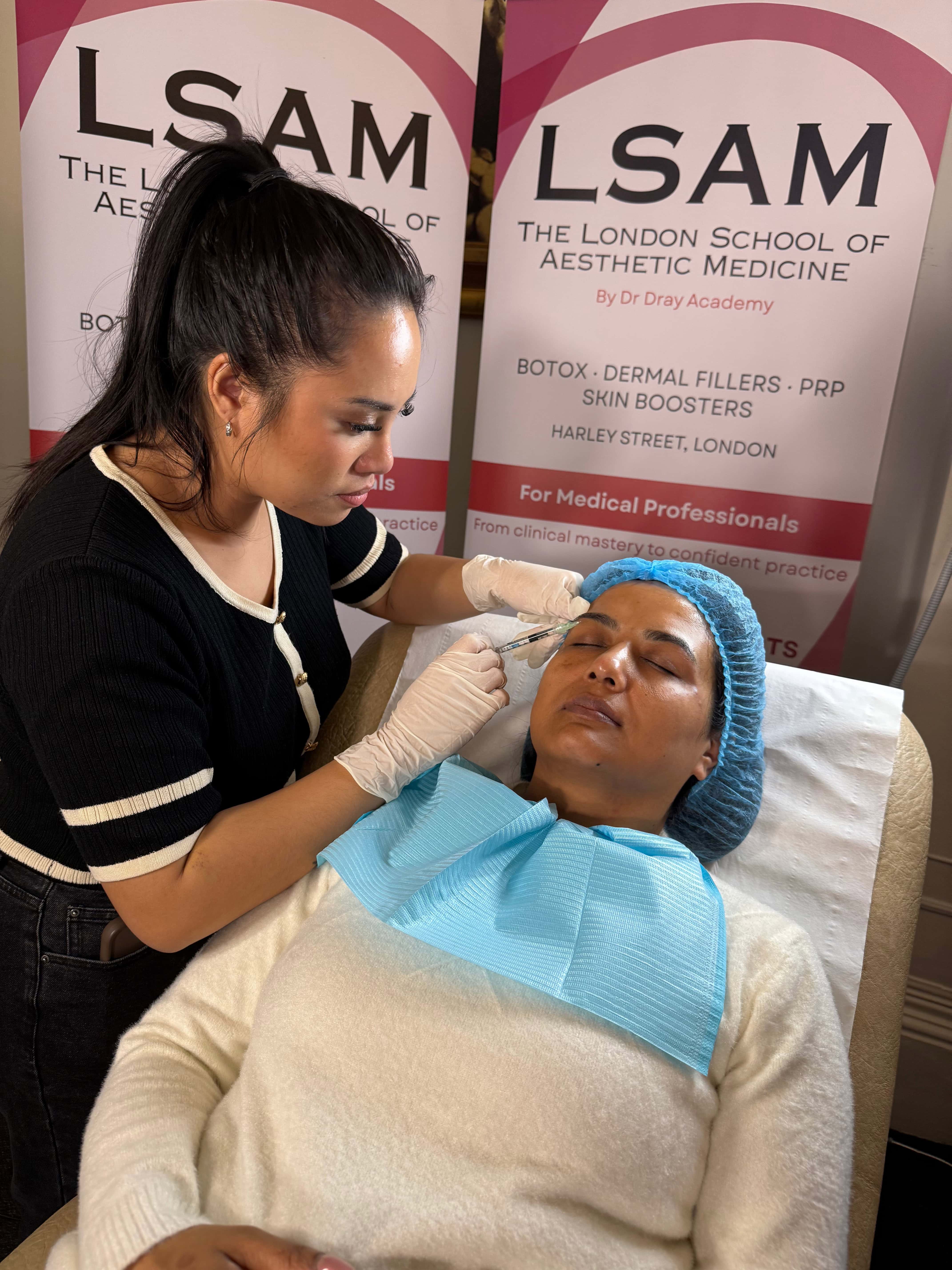
Patients often say “lift my eyes.” Your job is to interpret that anatomically, assess frontalis compensation, and plan safely.
Great training teaches when to treat — and when to hold back.
Good judgement includes:
- treating lateral orbicularis conservatively
- preserving frontalis function in hooded lids
- avoiding heavy brow triggers
- setting realistic expectations
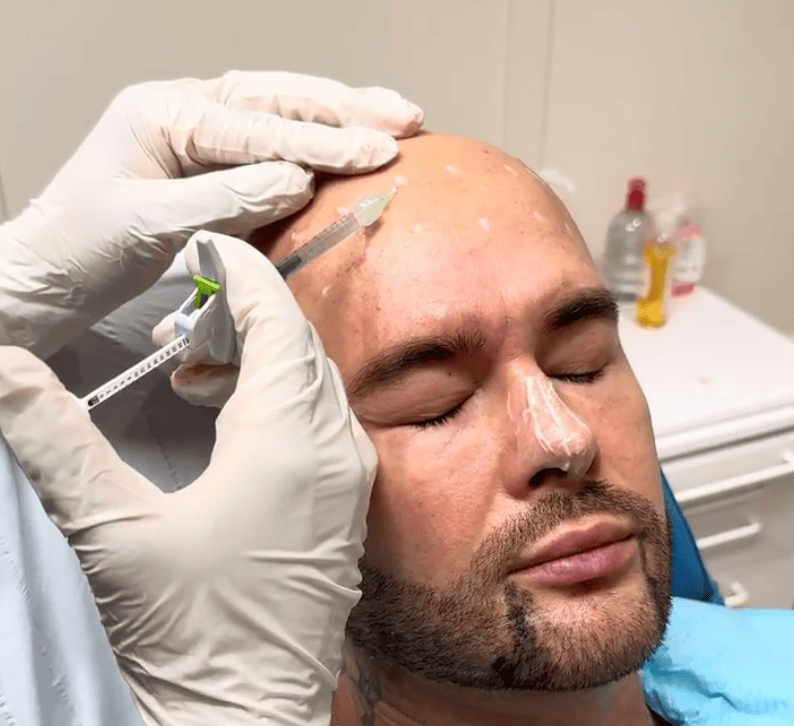
Step 6: Precision Dosing Tools (Consistency = Confidence)
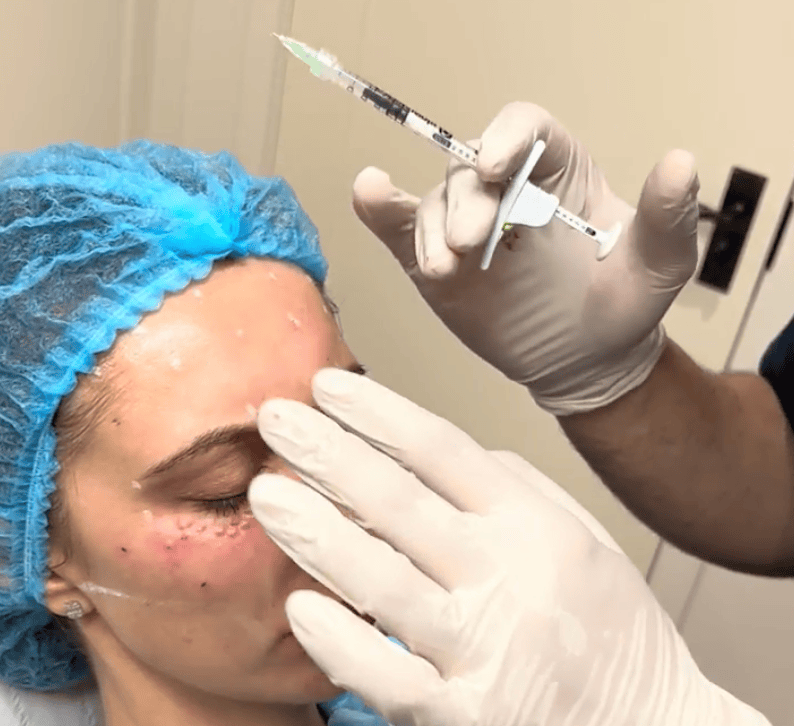
Precision dosing matters most when the goal is: “you look fresher, but no one can tell why.”
Metered-dose techniques can improve repeatability as you refine outcomes.
Men vs women: strategy changes
Strong training teaches you to plan differently based on goals and anatomy — not use one template for everyone.
Where to Go Next
If you want to become a Botox injector with confidence — not just a certificate — the fastest path is training within a
complete system, supported by mentorship and repeatable decision-making.