LAST REMAINING SPACES FOR OUR JUNE 13TH - 14TH WEEKEND COURSE

Where to Inject Botox for a Lip Flip: A Practical Guide for Aesthetic Clinicians

Who This Is For

Not sure if you’re eligible? Speak with our team. We’ll guide you through the requirements and next steps.

Table of Contents

Understanding precise lip flip injection technique for predictable aesthetic outcomes

The Botox lip flip is often perceived as a simple entry-level procedure, but in clinical practice, it demands a structured understanding of perioral anatomy, muscle behaviour, and functional dynamics. For registered healthcare professionals transitioning into aesthetic medicine, this treatment becomes an important foundation for learning precision-based toxin placement within structured aesthetic training pathways such as those offered at Dr Dray Academy.

A successful lip flip is not defined by the number of injection points alone, but by the clinician’s ability to assess orbicularis oris activity, respect anatomical boundaries, and adjust dosing based on individual muscle strength. Small variations in placement can significantly impact smile dynamics, speech, and lip competence.

For practitioners building confidence in toxin treatments, mastering this technique is a key step toward delivering refined, high-end aesthetic outcomes in clinical practice.

Key Injection Points For A Botox Lip Flip

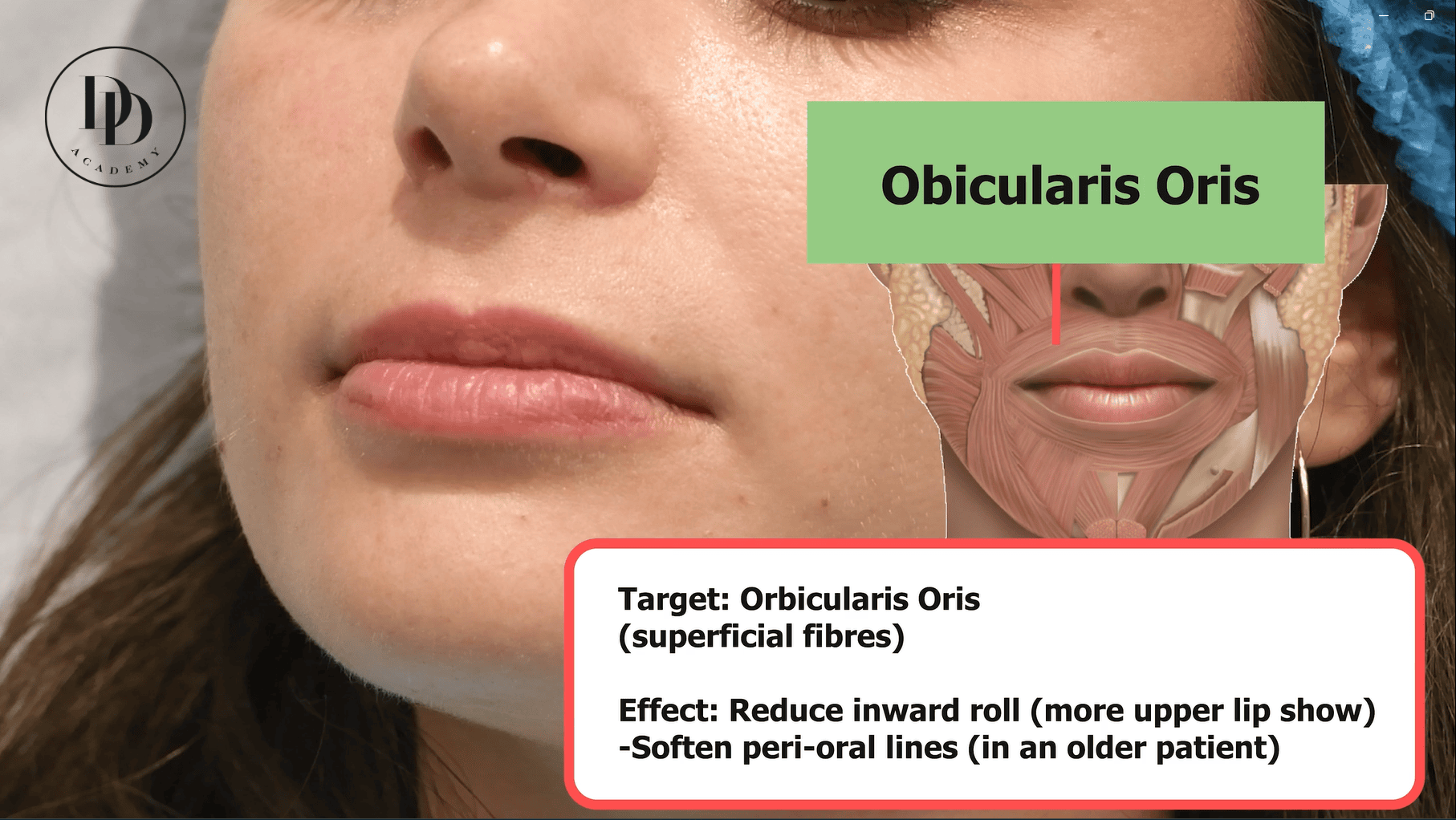
A lip flip targets the superficial fibres of the orbicularis oris muscle, specifically in the upper lip. Correct placement is essential to avoid functional compromise while achieving subtle eversion of the vermilion border.

Injection sites are located:

  • 1–2 mm above the vermilion border
  • Within the white lip (cutaneous lip only)
  • Never within the red lip tissue

The lower lip is excluded in standard protocols due to increased risk of speech and functional impairment.

Standard injection pattern:

Location Position Typical Dose
Central (x2) At or just lateral to each philtral column, aligned with Cupid’s bow peaks 0.5–1 unit per point
Lateral (x2) 5–7 mm lateral to Cupid’s bow, medial to oral commissures 0.5–1 unit per point

Total dosing typically ranges from 4–6 units of Botulinum Toxin A for first-time treatment.


Clinical Technique Considerations

Successful delivery depends on more than anatomical location. Injection depth, speed, and patient positioning all influence outcome.

Patients should be:

  • Semi-reclined at 45 degrees
  • At rest (no active smiling or pursing)
  • Properly assessed for orbicularis oris strength

A 30G–32G needle is recommended for superficial precision. Each micro-bolus should be delivered slowly to minimise diffusion and reduce risk of asymmetry.


Safety Anatomy and Risk Awareness

Understanding adjacent structures is essential for safe toxin delivery.

Key structures at risk include:

  • Superior labial arteries (bruising risk)
  • Orbicularis oris deep fibres (functional impairment)
  • Lip elevator muscles (smile distortion)
  • Depressor anguli oris (asymmetry risk)

Complications are most commonly associated with over-medial or overly deep placement, reinforcing the importance of conservative first-time dosing.


Patient Selection and Clinical Assessment

Not every patient requesting lip enhancement is suitable for a lip flip.

Ideal candidates:

  • Mild upper lip inversion on smiling
  • Minimal gingival show (<3 mm)
  • Desire for subtle enhancement without volume change

Less suitable candidates:

  • Thin lips requiring structural augmentation
  • Significant perioral static lines
  • Unrealistic expectations of volume increase

Functional assessment should include:

  • Resting lip position
  • Full smile analysis
  • Phoneme testing (“oo”, “ee”)

This ensures treatment planning is based on function, not aesthetics alone.


Expected Outcomes and Treatment Duration

The lip flip produces a subtle but predictable change in dynamic lip position.

  • Onset: 3–5 days
  • Peak effect: 10–14 days
  • Duration: 6–10 weeks

Expected outcomes include:

  • Increased vermilion show (1–2 mm)
  • Reduced upper lip inversion during smiling
  • Softer Cupid’s bow contour

This is a functional modulation technique, not a volumising procedure.

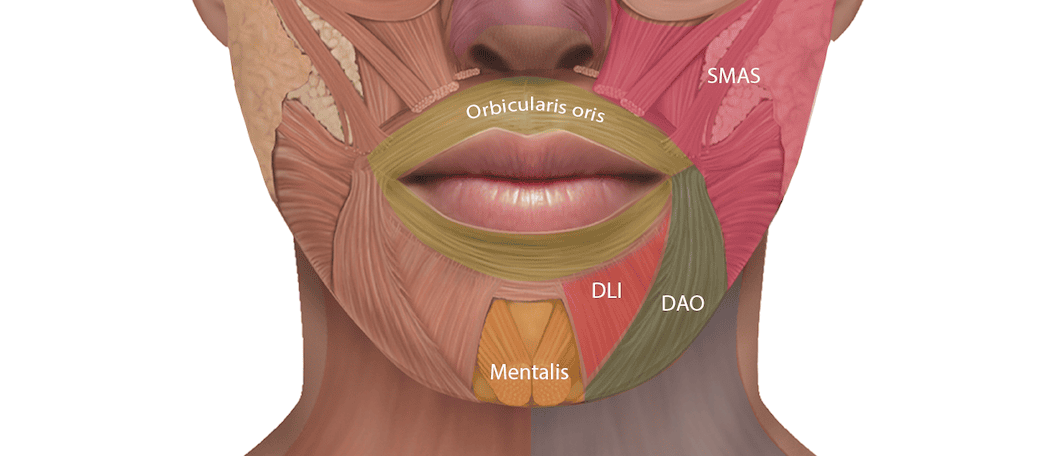
Orbicularis oris anatomy for Botox lip flip injection training

Why Train with Dr Dray Academy

At Dr Dray Academy, our training is designed to go beyond basic techniques — focusing on the clinical judgement, precision, and full-face understanding required to deliver natural, high-level results.

Our approach is built on over 45 years of experience treating some of the world’s most discerning patients, and these techniques are practiced daily across our London, Paris, and Abu Dhabi clinics.

Understanding Orbicularis Oris Function in Aesthetic Injectables

The orbicularis oris is a complex sphincter muscle responsible for lip movement, speech articulation, and oral competence. In aesthetic medicine, its modulation must be approached with precision to avoid disrupting essential facial functions.

Improper toxin placement can lead to:

  • Speech changes
  • Difficulty using straws
  • Smile asymmetry

Correct technique relies on understanding muscle fibre direction and superficial vs deep layer activity.


Lip Flip Dosing Strategy and Clinical Refinement

Dosing is not universal and should be adjusted according to patient-specific muscular dynamics.

Standard dosing framework (onabotulinumtoxinA):

  • Total: 4–6 units
  • Conservative start: 4 units
  • Per site: 0.5–1 unit

Adjustments:

  • Strong orbicularis activity → up to 8 units
  • Older patients → lower end dosing

Over-treatment is more clinically significant than under-treatment, particularly in first-time patients.

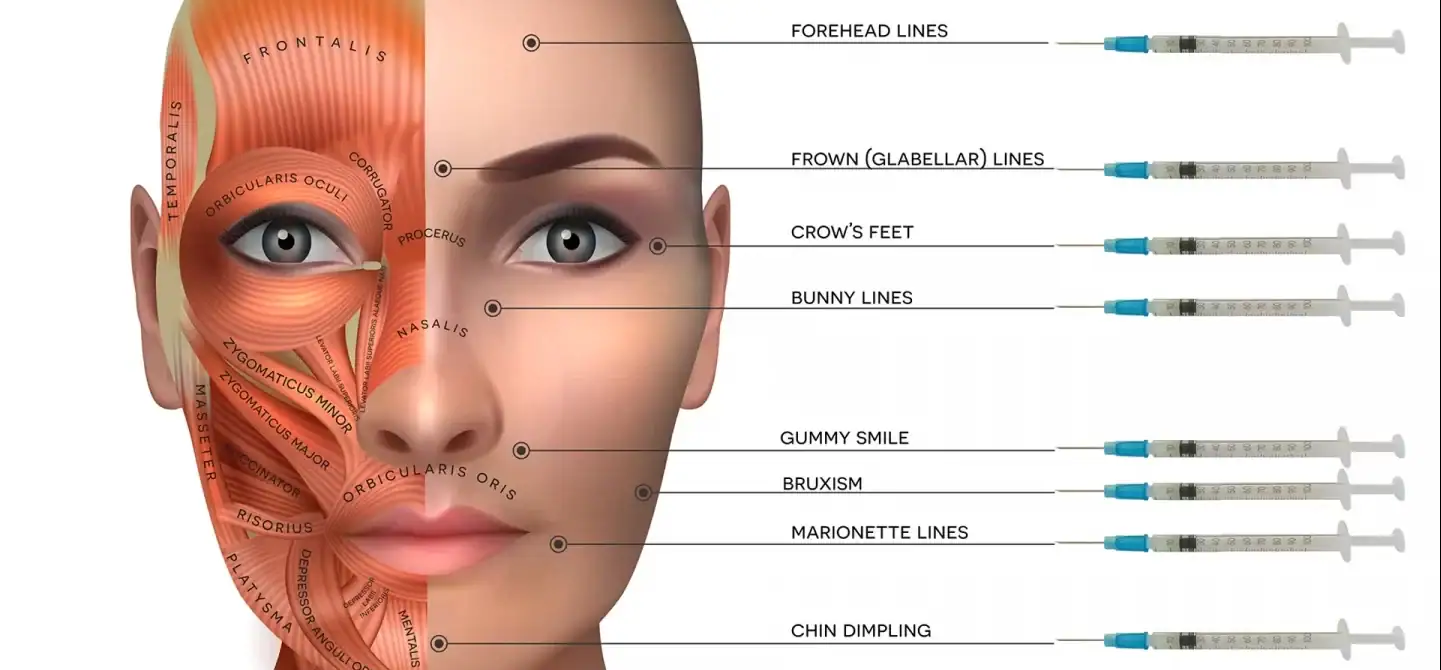
Botox lip flip injection points upper lip aesthetic training guide

Botox Lip Flip Injection Technique for Clinicians

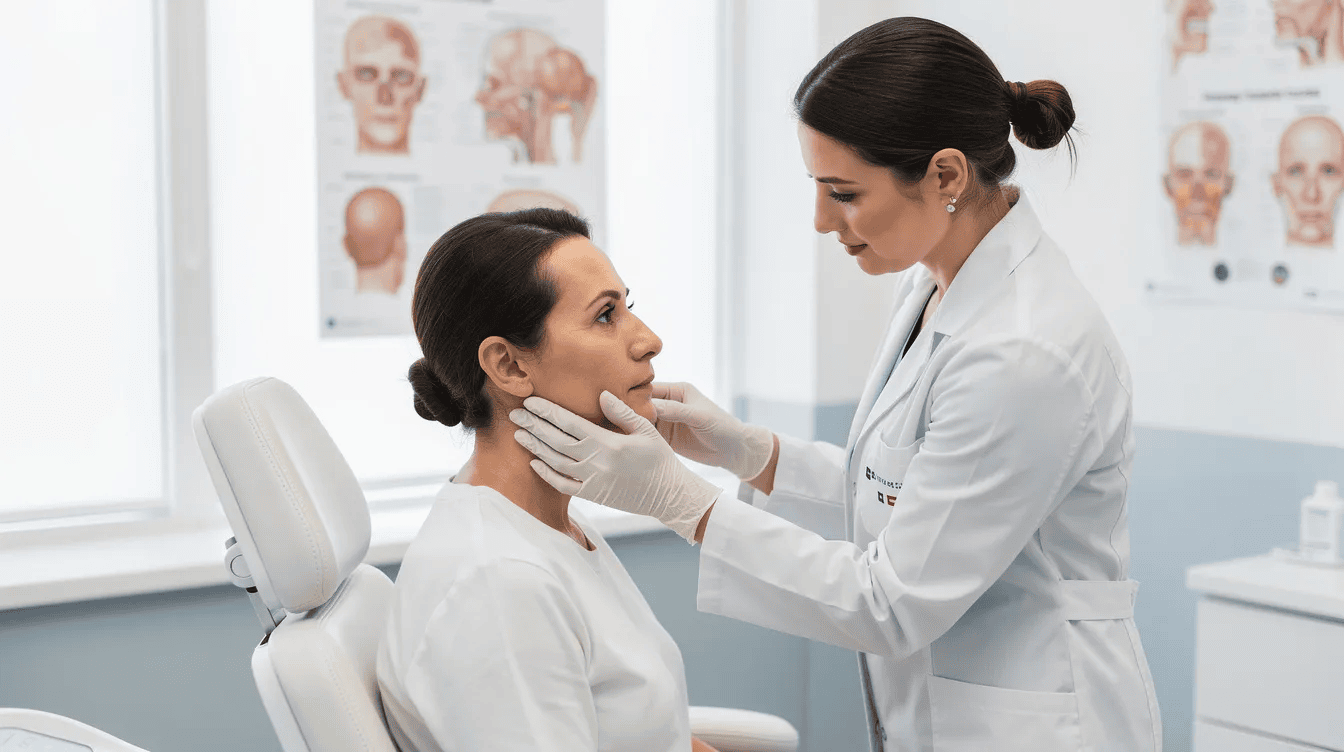
A structured clinical walkthrough of injection mapping, dosing strategy, and safety considerations for performing a Botox lip flip in aesthetic practice.

Frequently Asked Questions

A standard lip flip uses 4–6 units of botulinum toxin A divided across 3–4 injection points.
Results typically last 6–10 weeks due to high muscular activity in the perioral region.
The most common risk is temporary functional change such as difficulty with straw use or mild speech alteration if overdosed or incorrectly placed.

If you are looking for aesthetic training in London that goes beyond basic techniques, Dr Dray Academy offers a clinically-led, full-face approach developed over 45+ years of real patient experience.

Unlike fragmented courses, our pathway teaches you how to assess, plan, and treat the face as a whole — combining dermal fillers, anti-wrinkle injections, skin boosters, and regenerative treatments into one cohesive system.

👉 Explore our full aesthetic training London programmes to see how the pathway works.

Most aesthetic courses in London teach isolated techniques.
Dr Dray Academy teaches clinical judgement, restraint, and full-face mastery.

Our training is built around the Undetectable Transformation Method™, used daily in leading clinics in London, Paris, and Abu Dhabi — focusing on natural, refined results that patients trust.

With small groups, 50+ hands-on procedures, and ongoing mentoring, you don’t just learn — you leave ready to treat patients confidently.

Our hands-on training takes place in Harley Street, London — one of the world’s most recognised medical districts.

This clinical environment ensures you train at the level expected of high-end private practice, working with real models under close supervision from experienced aesthetic doctors.

Yes — mentoring is a core part of the Dr Dray Academy pathway.

Beyond the initial training, you receive ongoing clinical support, case guidance, and business insight, helping you transition from learning into real-world practice with confidence.

This is where most practitioners struggle — and where our graduates continue to outperform.

Yes — our pathway is designed for both beginners and experienced medical professionals.

We guide you from foundations → hands-on training → confident practice, ensuring you develop not just technical ability, but the clinical thinking required to deliver safe, high-end results.

Become an Elite Aesthetic Practitioner

Get expert insights on aesthetic training, clinical techniques, and how to build a high-level practice. Join our private list for updates on upcoming training dates and opportunities.

Picture of Dr Dray Academy

Dr Dray Academy

Dr Dray Academy is a professional training platform dedicated to providing high-quality education in aesthetics and healthcare treatments. The content published is carefully created and reviewed to ensure accuracy, clarity, and real-world applicability.

Our team focuses on delivering expert guidance, training insights, and up-to-date industry knowledge to help students and professionals succeed in their careers. Each article is designed to be informative, trustworthy, and aligned with the latest standards in the field.

Discover our award winning Aesthetic Training in London here!

Related Blogs