LAST REMAINING SPACES FOR OUR AUGUST 29TH - 30TH WEEKEND COHORT
(HARLEY STREET)

Botox for Neck Bands & Nefertiti Neck Lift: Clinical Guide for Aesthetic Practitioners

Who This Is For

Not sure if you’re eligible? Speak with our team. We’ll guide you through the requirements and next steps.

Table of Contents

Understanding Neck Rejuvenation with Botulinum Toxin in Aesthetic Practice

Neck rejuvenation has become a defining part of modern aesthetic medicine, particularly as patients increasingly present with concerns about platysmal banding and early jawline descent. For practitioners entering injectables, understanding how botulinum toxin can be used in the lower face and neck is essential for delivering safe, predictable outcomes.

In clinical practice, treatments such as neck botox and the Nefertiti neck lift are not simply “add-on” procedures—they require structured anatomical knowledge, patient selection skills, and a precise understanding of muscle dynamics. When performed correctly, they offer a refined improvement in jawline contour and neck smoothness without surgical downtime.

At Dr. Dray Academy, we emphasise a structured, anatomy-first approach to all advanced toxin procedures. If you’re building your foundation in injectables, you may also want to explore our structured pathway in botulinum toxin training in London, which supports clinicians progressing into advanced aesthetic techniques. 

Clinical Neck Anatomy Relevant to Neck Bands and the Nefertiti Lift

The platysma muscle is the central structure in neck band formation and must be fully understood before any toxin is administered. It originates from the upper chest fascia and extends upward to the mandible, often blending with lower facial depressor muscles.

In clinical assessment, it is important to differentiate:

  • Dynamic bands – visible during contraction and highly responsive to botulinum toxin
  • Static bands – present at rest due to skin laxity and collagen loss
  • Horizontal neck lines – primarily dermal in origin and less responsive to toxin treatment

Key safety considerations in the neck:

  • The marginal mandibular nerve lies just below the mandible and must be avoided
  • Deep cervical structures (sternohyoid, omohyoid) require strict superficial injection technique
  • Midline structures increase risk of dysphagia if over-treated

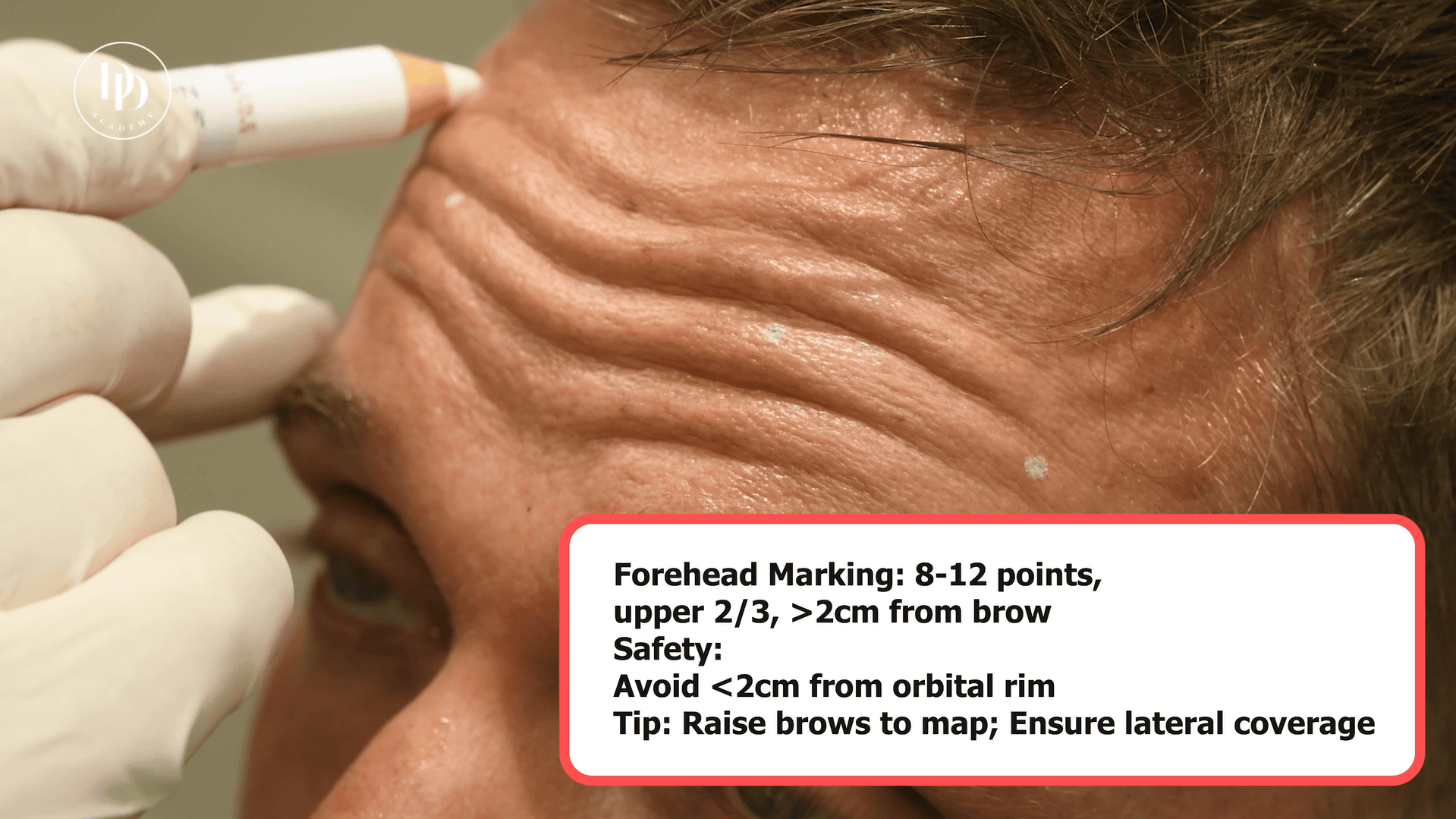
For practical mapping, patients should be assessed in dynamic motion (grimacing or clenching) to identify active platysmal cords before marking injection points.


How Neck Botox Works for Platysmal Bands and Jawline Contouring

Botulinum toxin type A works by blocking acetylcholine release at the neuromuscular junction, temporarily reducing platysma contraction. This reduces downward pull on the lower face, improving jawline definition.

In aesthetic terms, reduced platysmal activity allows the upward facial elevators to dominate, creating a subtle lifting effect commonly referred to as the Nefertiti lift.

Clinical timeline:

  • 5–7 days: Early softening of neck bands
  • 10–14 days: Peak results and visible contour improvement
  • 3–6 months: Gradual return of muscle activity

This makes neck botox a repeatable, low-downtime treatment suitable for early-to-moderate ageing changes, but it does not replace surgical intervention in advanced laxity.


Nefertiti Neck Lift vs Standard Neck Botox: Clinical Indications

The Nefertiti neck lift differs from standard neck botox in its treatment vector and anatomical targeting.

Standard neck botox:

Focuses on vertical platysmal bands to soften visible cords without addressing jawline elevation.

Nefertiti lift approach:

Targets both platysmal bands and mandibular border depressors to subtly redefine the jawline.

Ideal candidates include:

  • Mild-to-moderate dynamic platysmal banding
  • Early jowl formation
  • Good skin elasticity and realistic expectations
  • Patients seeking non-surgical rejuvenation

It is essential to manage expectations—results are refined and natural, not transformative in a surgical sense.


Patient Assessment: Identifying Suitable Candidates

Patient selection is one of the strongest predictors of outcome success in neck botox.

Clinical assessment includes:

  • Dynamic muscle testing (grimacing and clenching)
  • Skin recoil assessment
  • Submental fat evaluation
  • Platysma thickness palpation

Good candidates:

  • Mild-to-moderate platysmal activity
  • Good skin elasticity
  • Stable weight
  • Minimal fat deposition

Poor candidates:

  • Significant skin laxity
  • Heavy submental fat
  • Advanced ageing changes requiring surgical lift

Medical screening should also exclude neuromuscular disorders, pregnancy, and anticoagulant-related risks.

Neck botox injection anatomy showing platysma muscle and safety zones for aesthetic practitioners

Why Train with Dr Dray Academy

At Dr Dray Academy, our training is designed to go beyond basic techniques — focusing on the clinical judgement, precision, and full-face understanding required to deliver natural, high-level results.

Our approach is built on over 45 years of experience treating some of the world’s most discerning patients, and these techniques are practiced daily across our London, Paris, and Abu Dhabi clinics.

Injection Mapping and Dosing Strategy

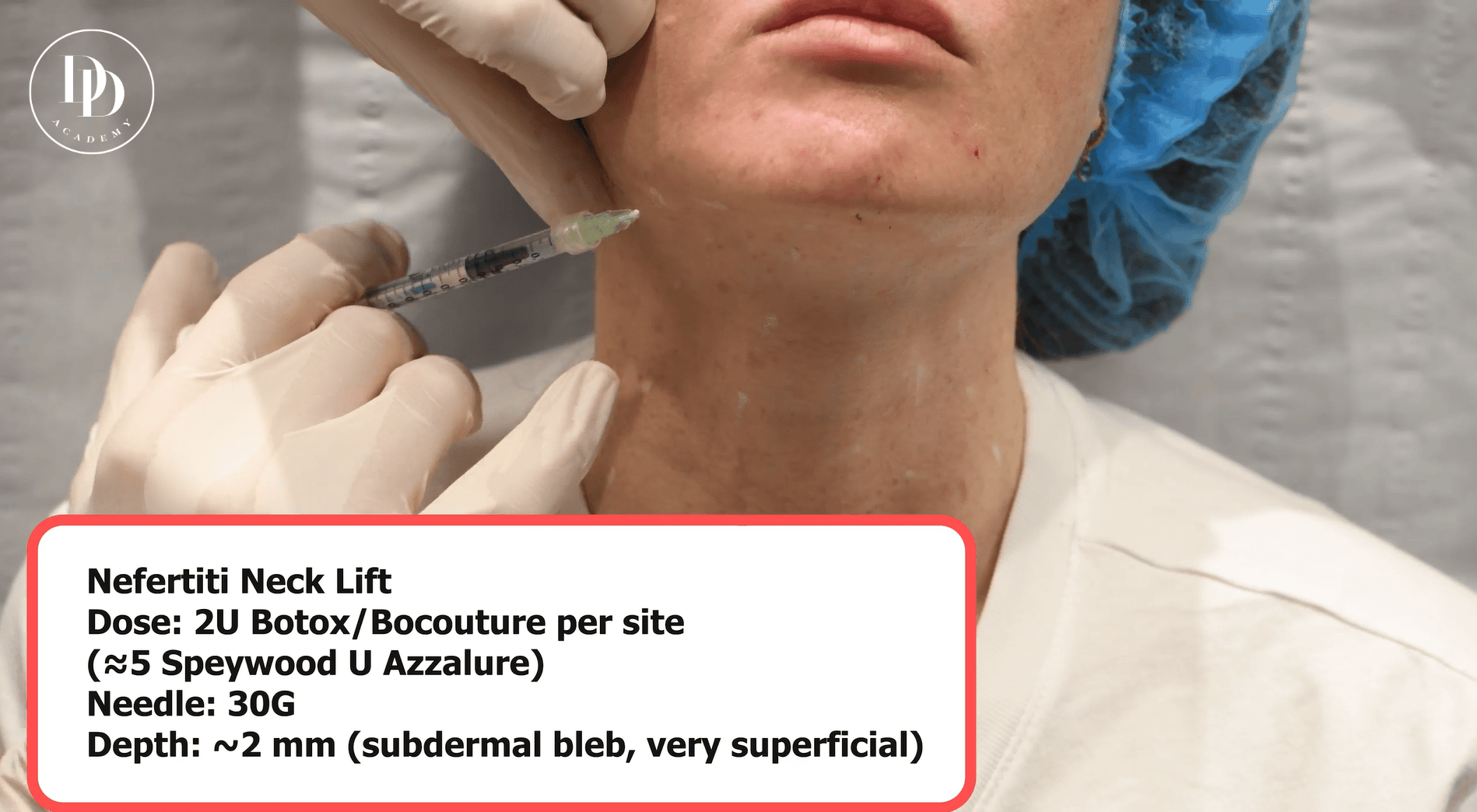
Neck botox requires superficial, structured placement along visible platysmal bands.

Typical protocol:

  • 5–8 injection points per band
  • 30–60 units total (bilateral treatment)
  • Superficial depth (2–4 mm)

Safety principles:

  • Avoid midline structures
  • Stay lateral to platysmal bands
  • Maintain consistent spacing (1.5–2 cm)
  • Use conservative dosing in initial treatments

For Nefertiti lift technique, additional points are placed along the mandibular border to target depressor activity and enhance jawline elevation.


Treatment Workflow in Clinical Practice

Consultation stage:

  • Medical history review
  • Dynamic facial assessment
  • Photography (front and profile views)
  • Informed consent and expectation setting

Treatment stage:

  • Procedure duration: 15–30 minutes
  • Minimal discomfort (fine needle technique)
  • Superficial injection technique used throughout

Aftercare:

  • Avoid exercise for 24 hours
  • No massage or heat exposure
  • Upright positioning for several hours post-treatment

Review:

  • Conducted at 2–4 weeks
  • Assess symmetry and response
  • Small touch-ups only if clinically indicated

Results, Longevity & Combination Treatments

Neck botox is most effective when integrated into a broader rejuvenation plan.

Longevity:

  • Average duration: 3–4 months
  • Some patients: up to 6 months

Influencing factors:

  • Muscle strength
  • Metabolic rate
  • Dose accuracy
  • Treatment consistency

Combination therapies:

  • Skin tightening devices (radiofrequency, microneedling)
  • Skin boosters for hydration and elasticity
  • Collagen stimulators such as Julaine
  • Adjunct dermal therapies for skin quality improvement

Risks and Safety Considerations

Common side effects:

  • Mild bruising
  • Temporary redness
  • Localised swelling

Less common risks:

  • Dysphagia
  • Dysphonia
  • Muscle weakness if diffusion occurs

Key safety principles:

  • Maintain superficial injection depth
  • Start with conservative dosing
  • Avoid midline over-treatment
  • Ensure anatomical precision at all times

Training and Clinical Competence

Neck botox and Nefertiti lift techniques are advanced procedures that require structured training and supervised practice.

At Dr. Dray Academy, our training pathway is designed to support safe clinical transition into aesthetic medicine through:

  • Structured online anatomy and toxin modules
  • Hands-on Harley Street injection training
  • Supervised clinical mentorship
  • Ongoing case-based learning support

This approach ensures practitioners develop both technical precision and clinical judgement before offering advanced neck rejuvenation treatments independently.

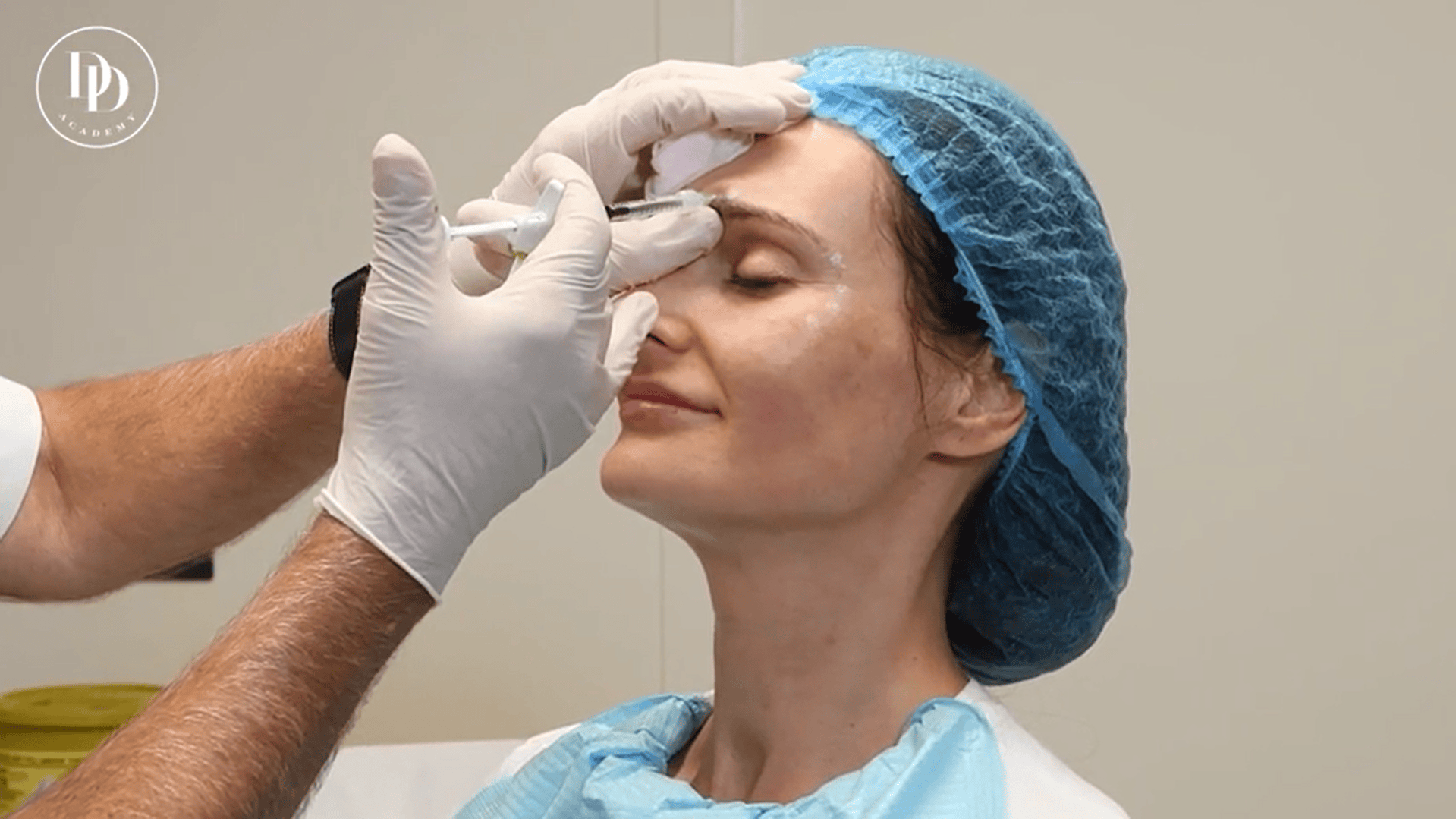
Neck botox injection points showing platysmal bands and Nefertiti lift mandibular border technique

Botox for Neck Bands & Nefertiti Neck Lift Technique Training

Preview the clinical approach to treating platysmal bands and performing the Nefertiti neck lift using botulinum toxin. The full training covers neck anatomy, injection mapping, dosing strategy, patient assessment, and key safety considerations for aesthetic practitioners transitioning into advanced toxin treatments.

Frequently Asked Questions

Typically 3–4 months, depending on muscle activity and dose.
Discomfort is minimal and usually described as a brief pinch during injection.
No. It is best suited for mild-to-moderate ageing changes, not advanced laxity.

If you are looking for aesthetic training in London that goes beyond basic techniques, Dr Dray Academy offers a clinically-led, full-face approach developed over 45+ years of real patient experience.

Unlike fragmented courses, our pathway teaches you how to assess, plan, and treat the face as a whole — combining dermal fillers, anti-wrinkle injections, skin boosters, and regenerative treatments into one cohesive system.

👉 Explore our full aesthetic training London programmes to see how the pathway works.

Most aesthetic courses in London teach isolated techniques.
Dr Dray Academy teaches clinical judgement, restraint, and full-face mastery.

Our training is built around the Undetectable Transformation Method™, used daily in leading clinics in London, Paris, and Abu Dhabi — focusing on natural, refined results that patients trust.

With small groups, 50+ hands-on procedures, and ongoing mentoring, you don’t just learn — you leave ready to treat patients confidently.

Our hands-on training takes place in Harley Street, London — one of the world’s most recognised medical districts.

This clinical environment ensures you train at the level expected of high-end private practice, working with real models under close supervision from experienced aesthetic doctors.

Yes — mentoring is a core part of the Dr Dray Academy pathway.

Beyond the initial training, you receive ongoing clinical support, case guidance, and business insight, helping you transition from learning into real-world practice with confidence.

This is where most practitioners struggle — and where our graduates continue to outperform.

Yes — our pathway is designed for both beginners and experienced medical professionals.

We guide you from foundations → hands-on training → confident practice, ensuring you develop not just technical ability, but the clinical thinking required to deliver safe, high-end results.

Become an Elite Aesthetic Practitioner

Get expert insights on aesthetic training, clinical techniques, and how to build a high-level practice. Join our private list for updates on upcoming training dates and opportunities.

Picture of Dr Dray Academy

Dr Dray Academy

Dr Dray Academy is a professional training platform dedicated to providing high-quality education in aesthetics and healthcare treatments. The content published is carefully created and reviewed to ensure accuracy, clarity, and real-world applicability.

Our team focuses on delivering expert guidance, training insights, and up-to-date industry knowledge to help students and professionals succeed in their careers. Each article is designed to be informative, trustworthy, and aligned with the latest standards in the field.

Discover our award winning Aesthetic Training in London here!

Related Blogs