LAST REMAINING SPACES FOR OUR JUNE 13TH - 14TH WEEKEND COURSE

Botox Training for Beginners: A Step-by-Step Guide to Starting in Aesthetics 2026

Who This Is For

Not sure if you’re eligible? Speak with our team. We’ll guide you through the requirements and next steps.

Table of Contents

How to Start Botox Training as a Beginner

Entering the world of aesthetic medicine can feel overwhelming at first, particularly when it comes to Botox training. With increasing demand for non-surgical treatments, Botox has become one of the most popular and accessible entry points into aesthetics for medical professionals and beginners alike.

If you are considering starting your journey, it is essential to understand not just how Botox works, but how to train safely, effectively, and in a way that sets you apart as a high-level practitioner.

At Dr Dray Academy, we focus on developing clinical judgement, not just teaching injection techniques. You can also explore broader medical guidelines on aesthetic practice via the to understand professional standards.

This guide will walk you through Botox training step by step, from foundational knowledge to performing your first treatments.

What Is Botox and How Does It Work?

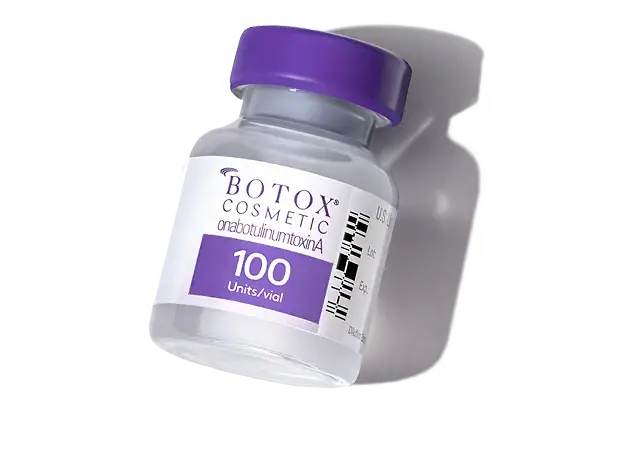
Botox is a purified form of botulinum toxin that temporarily relaxes muscles by blocking nerve signals. In aesthetic medicine, it is used to soften dynamic wrinkles caused by repeated facial movement.

For beginners, understanding Botox goes beyond simply knowing where to inject. You must understand:

  • Facial anatomy (muscles, vessels, nerves)
  • Mechanism of action
  • Dosing and dilution
  • Patient assessment and consultation

A strong theoretical foundation is what separates average injectors from elite practitioners.

dermal filler training london clinic

Why Train with Dr Dray Academy

At Dr Dray Academy, our training is designed to go beyond basic techniques — focusing on the clinical judgement, precision, and full-face understanding required to deliver natural, high-level results.

Our approach is built on over 45 years of experience treating some of the world’s most discerning patients, and these techniques are practiced daily across our London, Paris, and Abu Dhabi clinics.

Your learning journey to master Botox treatments

Step 1: Build Your Foundational Knowledge

Before picking up a needle, beginners must develop a deep understanding of the science behind Botox.

This includes:

  • Anatomy of the upper face (forehead, glabella, crow’s feet)
  • Muscle movement patterns and variation between patients
  • Ageing processes and skin changes
  • Product types and differences (Azzalure, Botox, Bocouture)

Many beginners make the mistake of rushing into practical training without mastering theory. In reality, the best injectors spend significant time learning before performing treatments.

Online learning can be a powerful starting point, allowing you to build confidence before hands-on practice.


Step 2: Learn Patient Assessment and Consultation

One of the most overlooked aspects of Botox training is consultation.

Before any injection, you must be able to:

  • Assess facial symmetry
  • Understand patient goals
  • Identify contraindications
  • Set realistic expectations

This is where clinical judgement becomes critical.

For example, two patients with forehead lines may require completely different approaches depending on muscle strength, brow position, and aesthetic goals.

Beginners should focus on structured consultation frameworks to ensure consistency and safety.


Step 3: Understand Botox Dosing and Mapping

Botox is not a “one-size-fits-all” treatment.

Proper dosing depends on:

  • Muscle mass
  • Gender differences
  • Desired outcome (natural vs frozen)
  • Previous treatments

Injection mapping is the process of planning exactly where and how much product to inject.

Key beginner areas include:

  • Glabella (frown lines)
  • Forehead
  • Crow’s feet

Learning standard patterns is important, but adapting them to each patient is what defines expertise.


Step 4: Hands-On Practical Training

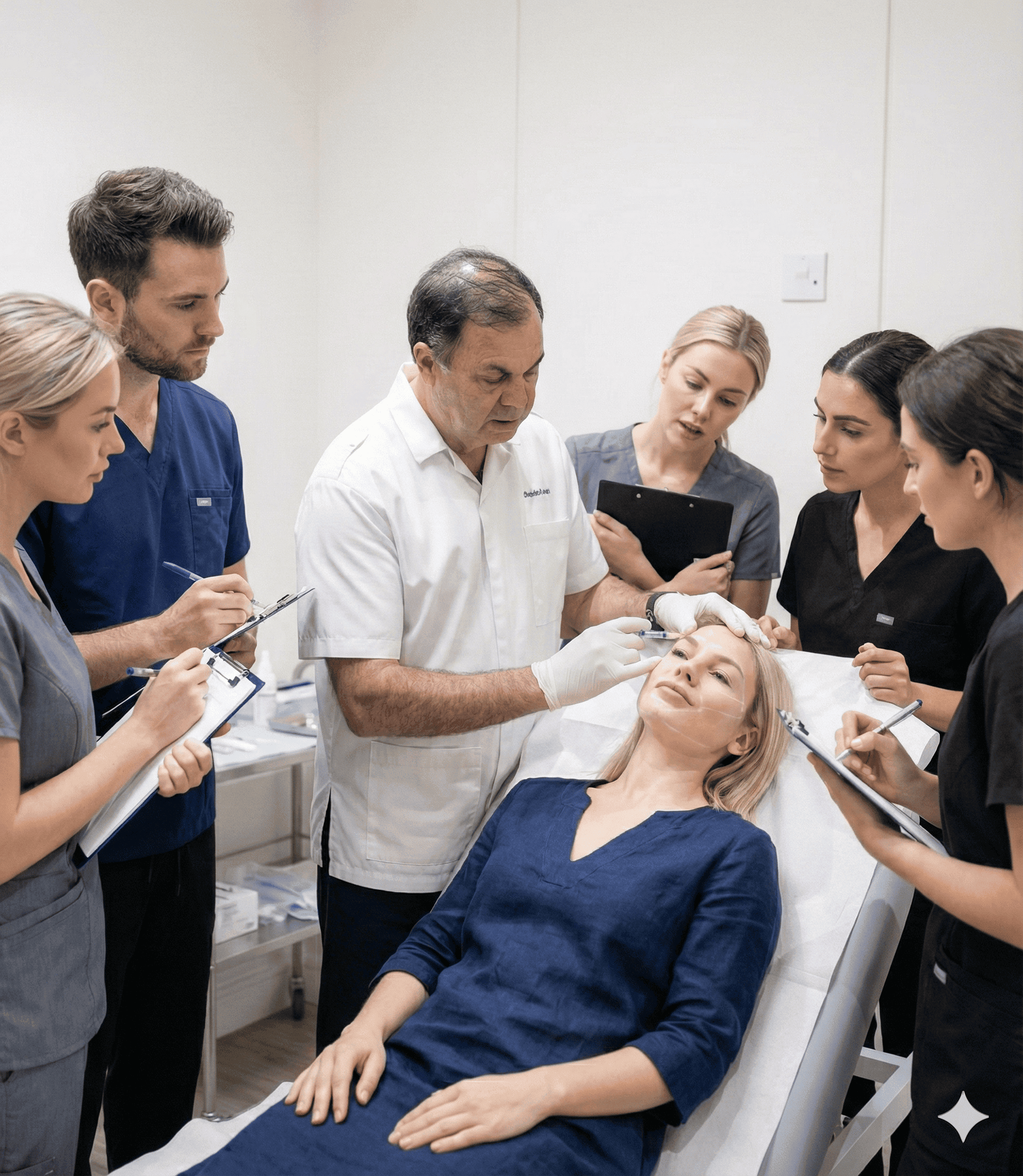
Once theory is understood, the next step is supervised practical training.

This is where you will:

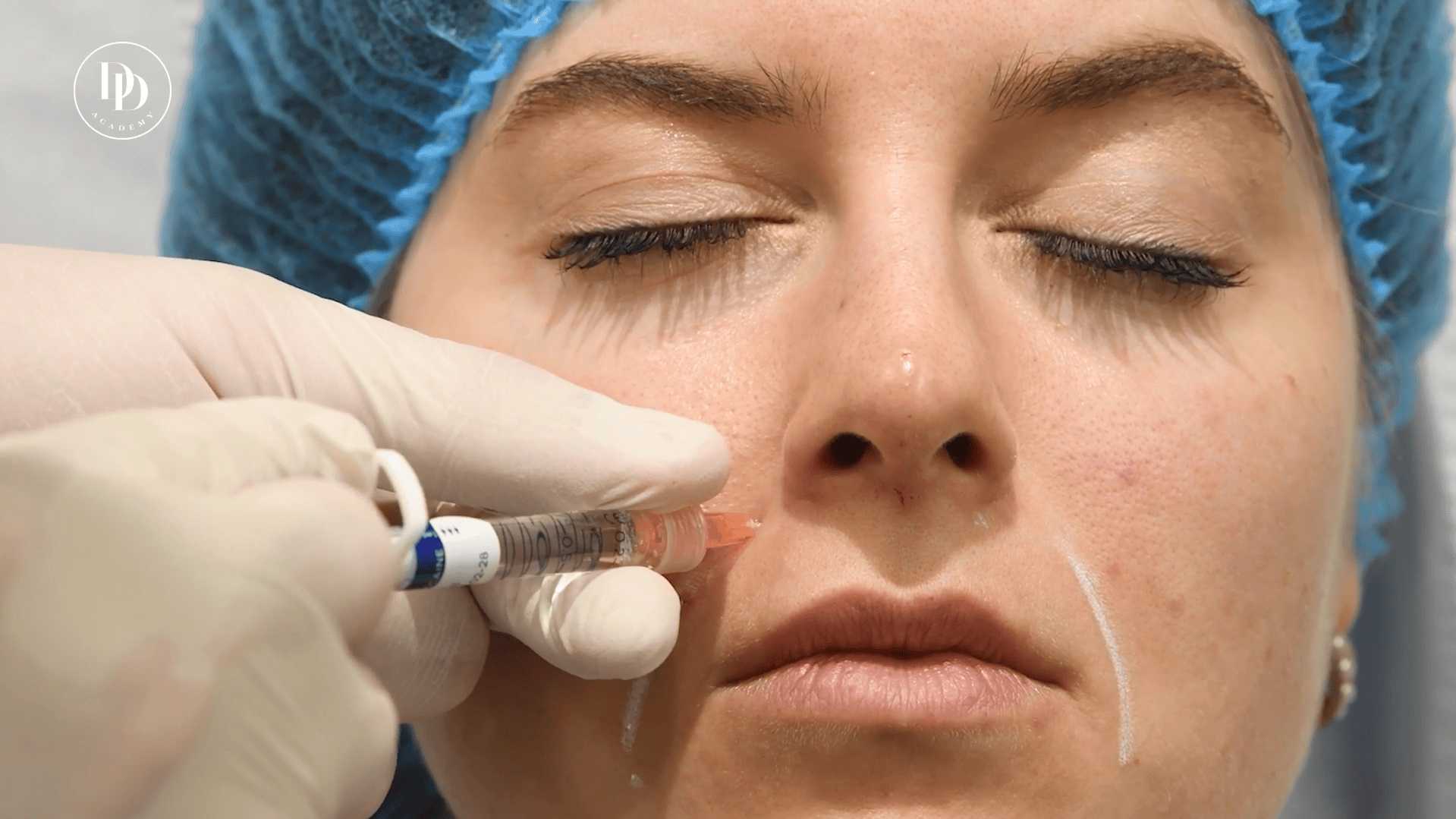
  • Practice injection techniques
  • Learn needle positioning and depth
  • Understand patient comfort and safety
  • Gain confidence treating real models

High-quality training should include:

  • Small group sizes
  • Supervised injecting
  • Real patient experience
  • Immediate feedback

This is essential because Botox is a prescription treatment and requires clinical competence, not just theoretical understanding.


Step 5: Safety and Complication Management

Safety is a core pillar of Botox training.

Beginners must be able to recognise and manage complications such as:

  • Ptosis (drooping eyelid)
  • Asymmetry
  • Over-treatment
  • Bruising and swelling

More importantly, you must learn how to prevent complications through correct technique and assessment.

Understanding anatomy and respecting danger zones is critical.

At higher levels, this is what builds trust and reputation in your practice.


Step 6: Developing Your Injection Technique

Injection technique is where art meets science.

Key technical elements include:

  • Needle angle and depth
  • Injection speed
  • Product placement
  • Symmetry and balance

Beginners should aim for natural results rather than aggressive treatments.

Subtlety is what defines high-end aesthetic work, particularly in luxury clinics.


Step 7: Aftercare and Patient Follow-Up

Treatment does not end once injections are complete.

You must educate patients on:

  • Aftercare instructions
  • Expected timeline of results
  • When to return for review

Follow-ups are essential for:

  • Assessing results
  • Adjusting dosing
  • Building long-term patient relationships

This is also where you refine your technique over time.


Step 8: Building Confidence and Treating Patients

After completing training, the next challenge is transitioning to real-world practice.

Beginners often hesitate at this stage.

To build confidence:

  • Start with simple cases
  • Follow structured protocols
  • Seek mentorship and guidance
  • Review outcomes regularly

Many practitioners begin treating patients within weeks when supported correctly.

Confidence comes from repetition, reflection, and continuous learning.


Step 9: Progressing Beyond Beginner Level

Botox training is just the beginning.

As you advance, you can expand into:

  • Advanced Botox techniques (brow lift, jawline, Nefertiti lift)
  • Dermal fillers
  • Skin boosters and regenerative treatments

Developing a full-face approach is key to becoming an elite aesthetic practitioner.


Why Choosing the Right Training Matters

Not all Botox courses are equal.

The right training should focus on:

  • Clinical judgement
  • Safety and anatomy
  • Real patient experience
  • Long-term mentorship

At Dr Dray Academy, the goal is not just to teach injections, but to help practitioners develop into confident, high-level clinicians.

This is what ultimately allows you to stand out in a competitive market.
Botox training

Botox during the Aesthetic Mastery Training Weekend

Frequently Asked Questions

In the UK, Botox is a prescription-only medication, so you must be a qualified medical professional (or work under appropriate prescribing supervision depending on regulations).
Dr Dray Academy Blog Posting Guide.pdf PDF write me a 1000 word blog artivle, make sure w ehave all the elements needed form the document, on botox trainign for beginners, step by step guide. this is fro dr dray axcademy blog Here is a fully structured 1000+ word SEO-optimised blog article following your document requirements (intro H2, internal/external links, structured H2 sections, FAQ, etc.) from your guide Botox Training for Beginners: A Step-by-Step Guide to Starting in Aesthetics How to Start Botox Training as a Beginner Entering the world of aesthetic medicine can feel overwhelming at first, particularly when it comes to Botox training. With increasing demand for non-surgical treatments, Botox has become one of the most popular and accessible entry points into aesthetics for medical professionals and beginners alike. If you are considering starting your journey, it is essential to understand not just how Botox works, but how to train safely, effectively, and in a way that sets you apart as a high-level practitioner. At , we focus on developing clinical judgement, not just teaching injection techniques. You can also explore broader medical guidelines on aesthetic practice via the to understand professional standards. This guide will walk you through Botox training step by step, from foundational knowledge to performing your first treatments. What Is Botox and How Does It Work? Botox is a purified form of botulinum toxin that temporarily relaxes muscles by blocking nerve signals. In aesthetic medicine, it is used to soften dynamic wrinkles caused by repeated facial movement. For beginners, understanding Botox goes beyond simply knowing where to inject. You must understand: Facial anatomy (muscles, vessels, nerves) Mechanism of action Dosing and dilution Patient assessment and consultation A strong theoretical foundation is what separates average injectors from elite practitioners. Step 1: Build Your Foundational Knowledge Before picking up a needle, beginners must develop a deep understanding of the science behind Botox. This includes: Anatomy of the upper face (forehead, glabella, crow’s feet) Muscle movement patterns and variation between patients Ageing processes and skin changes Product types and differences (Azzalure, Botox, Bocouture) Many beginners make the mistake of rushing into practical training without mastering theory. In reality, the best injectors spend significant time learning before performing treatments. Online learning can be a powerful starting point, allowing you to build confidence before hands-on practice. Step 2: Learn Patient Assessment and Consultation One of the most overlooked aspects of Botox training is consultation. Before any injection, you must be able to: Assess facial symmetry Understand patient goals Identify contraindications Set realistic expectations This is where clinical judgement becomes critical. For example, two patients with forehead lines may require completely different approaches depending on muscle strength, brow position, and aesthetic goals. Beginners should focus on structured consultation frameworks to ensure consistency and safety. Step 3: Understand Botox Dosing and Mapping Botox is not a “one-size-fits-all” treatment. Proper dosing depends on: Muscle mass Gender differences Desired outcome (natural vs frozen) Previous treatments Injection mapping is the process of planning exactly where and how much product to inject. Key beginner areas include: Glabella (frown lines) Forehead Crow’s feet Learning standard patterns is important, but adapting them to each patient is what defines expertise. Step 4: Hands-On Practical Training Once theory is understood, the next step is supervised practical training. This is where you will: Practice injection techniques Learn needle positioning and depth Understand patient comfort and safety Gain confidence treating real models High-quality training should include: Small group sizes Supervised injecting Real patient experience Immediate feedback This is essential because Botox is a prescription treatment and requires clinical competence, not just theoretical understanding. Step 5: Safety and Complication Management Safety is a core pillar of Botox training. Beginners must be able to recognise and manage complications such as: Ptosis (drooping eyelid) Asymmetry Over-treatment Bruising and swelling More importantly, you must learn how to prevent complications through correct technique and assessment. Understanding anatomy and respecting danger zones is critical. At higher levels, this is what builds trust and reputation in your practice. Step 6: Developing Your Injection Technique Injection technique is where art meets science. Key technical elements include: Needle angle and depth Injection speed Product placement Symmetry and balance Beginners should aim for natural results rather than aggressive treatments. Subtlety is what defines high-end aesthetic work, particularly in luxury clinics. Step 7: Aftercare and Patient Follow-Up Treatment does not end once injections are complete. You must educate patients on: Aftercare instructions Expected timeline of results When to return for review Follow-ups are essential for: Assessing results Adjusting dosing Building long-term patient relationships This is also where you refine your technique over time. Step 8: Building Confidence and Treating Patients After completing training, the next challenge is transitioning to real-world practice. Beginners often hesitate at this stage. To build confidence: Start with simple cases Follow structured protocols Seek mentorship and guidance Review outcomes regularly Many practitioners begin treating patients within weeks when supported correctly. Confidence comes from repetition, reflection, and continuous learning. Step 9: Progressing Beyond Beginner Level Botox training is just the beginning. As you advance, you can expand into: Advanced Botox techniques (brow lift, jawline, Nefertiti lift) Dermal fillers Skin boosters and regenerative treatments Developing a full-face approach is key to becoming an elite aesthetic practitioner. Why Choosing the Right Training Matters Not all Botox courses are equal. The right training should focus on: Clinical judgement Safety and anatomy Real patient experience Long-term mentorship At Dr Dray Academy, the goal is not just to teach injections, but to help practitioners develop into confident, high-level clinicians. This is what ultimately allows you to stand out in a competitive market. FAQs About Botox Training for Beginners Do I need to be a doctor or nurse to learn Botox? In the UK, Botox is a prescription-only medication, so you must be a qualified medical professional (or work under appropriate prescribing supervision depending on regulations). How long does it take to learn Botox? You can learn the fundamentals within days, but mastery takes months to years of practice and continued learning.
It can feel complex initially, but with structured training and mentorship, most beginners progress quickly.

If you are looking for aesthetic training in London that goes beyond basic techniques, Dr Dray Academy offers a clinically-led, full-face approach developed over 45+ years of real patient experience.

Unlike fragmented courses, our pathway teaches you how to assess, plan, and treat the face as a whole — combining dermal fillers, anti-wrinkle injections, skin boosters, and regenerative treatments into one cohesive system.

👉 Explore our full aesthetic training London programmes to see how the pathway works.

Most aesthetic courses in London teach isolated techniques.
Dr Dray Academy teaches clinical judgement, restraint, and full-face mastery.

Our training is built around the Undetectable Transformation Method™, used daily in leading clinics in London, Paris, and Abu Dhabi — focusing on natural, refined results that patients trust.

With small groups, 50+ hands-on procedures, and ongoing mentoring, you don’t just learn — you leave ready to treat patients confidently.

Our hands-on training takes place in Harley Street, London — one of the world’s most recognised medical districts.

This clinical environment ensures you train at the level expected of high-end private practice, working with real models under close supervision from experienced aesthetic doctors.

Yes — mentoring is a core part of the Dr Dray Academy pathway.

Beyond the initial training, you receive ongoing clinical support, case guidance, and business insight, helping you transition from learning into real-world practice with confidence.

This is where most practitioners struggle — and where our graduates continue to outperform.

Yes — our pathway is designed for both beginners and experienced medical professionals.

We guide you from foundations → hands-on training → confident practice, ensuring you develop not just technical ability, but the clinical thinking required to deliver safe, high-end results.

Become an Elite Aesthetic Practitioner

Get expert insights on aesthetic training, clinical techniques, and how to build a high-level practice. Join our private list for updates on upcoming training dates and opportunities.

Picture of Dr Dray Academy

Dr Dray Academy

Dr Dray Academy is a professional training platform dedicated to providing high-quality education in aesthetics and healthcare treatments. The content published is carefully created and reviewed to ensure accuracy, clarity, and real-world applicability.

Our team focuses on delivering expert guidance, training insights, and up-to-date industry knowledge to help students and professionals succeed in their careers. Each article is designed to be informative, trustworthy, and aligned with the latest standards in the field.

Discover our award winning Aesthetic Training in London here!

Related Blogs