LAST REMAINING SPACES FOR OUR JUNE 27TH - 28TH WEEKEND COURSE

Nasolabial Lines Filler: Clinical Guide for Aesthetic Practitioners

Who This Is For

Not sure if you’re eligible? Speak with our team. We’ll guide you through the requirements and next steps.

Table of Contents

Nasolabial Lines Filler: What Every Practitioner Needs to Understand First

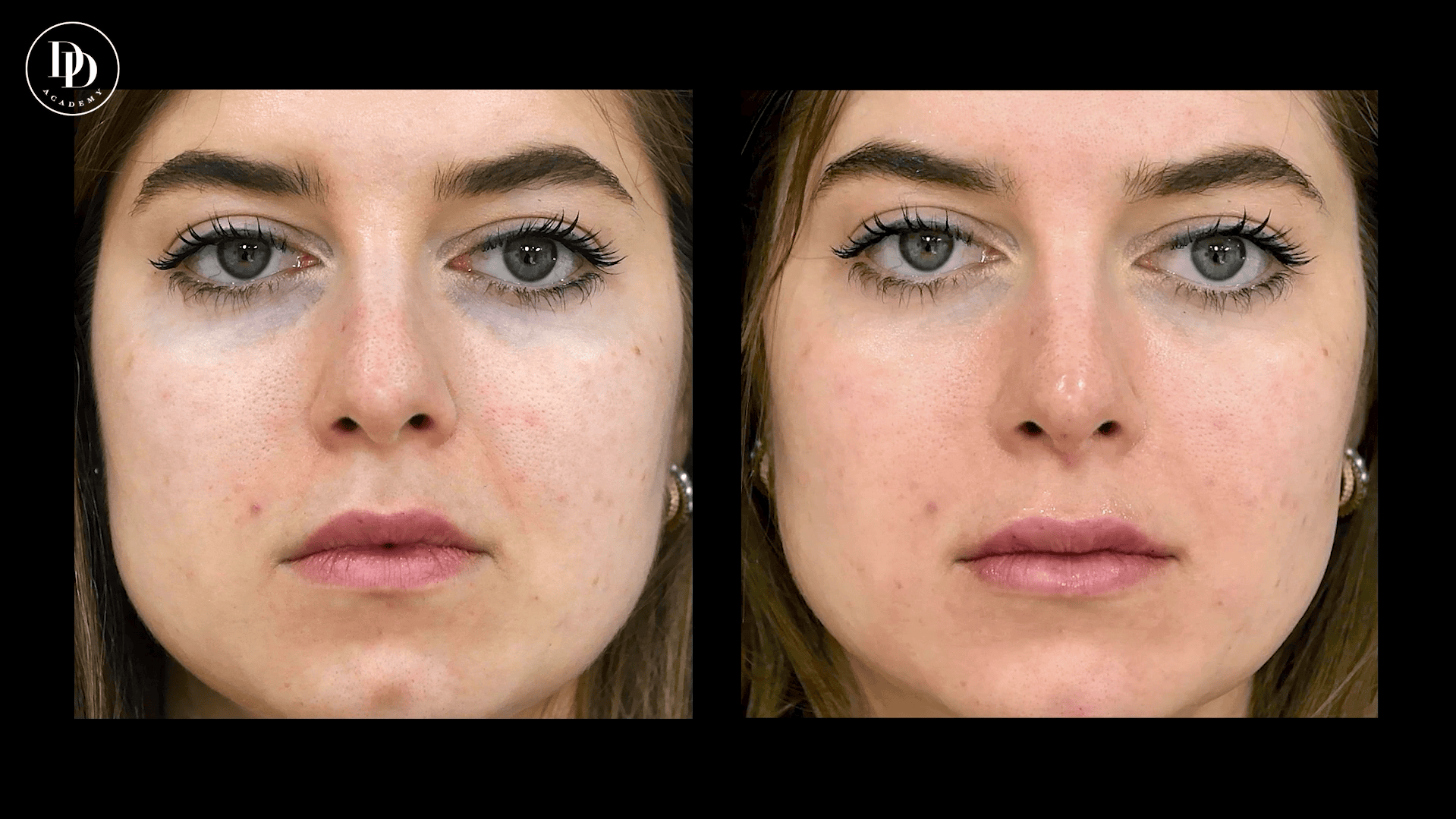
Nasolabial lines filler is one of the first treatments many practitioners add to their aesthetic portfolio—and for good reason. It’s a highly requested concern, but also one of the most commonly misunderstood areas when it comes to treatment planning. In clinical practice, the difference between a natural, refreshed outcome and an overfilled, artificial result comes down to assessment, not product.

The key mistake I see with newer injectors is chasing the fold directly without addressing the underlying structural changes. Mid-face volume loss, skeletal resorption, and tissue descent all contribute to fold formation. If you don’t correct those first, you’re simply masking the symptom rather than treating the cause. This is why a structured, full-face approach—like the one taught inside the dermal filler training pathway is critical for safe and predictable outcomes.

From a clinical perspective, nasolabial fold treatment should always be positioned as part of a broader facial rejuvenation strategy rather than an isolated procedure.
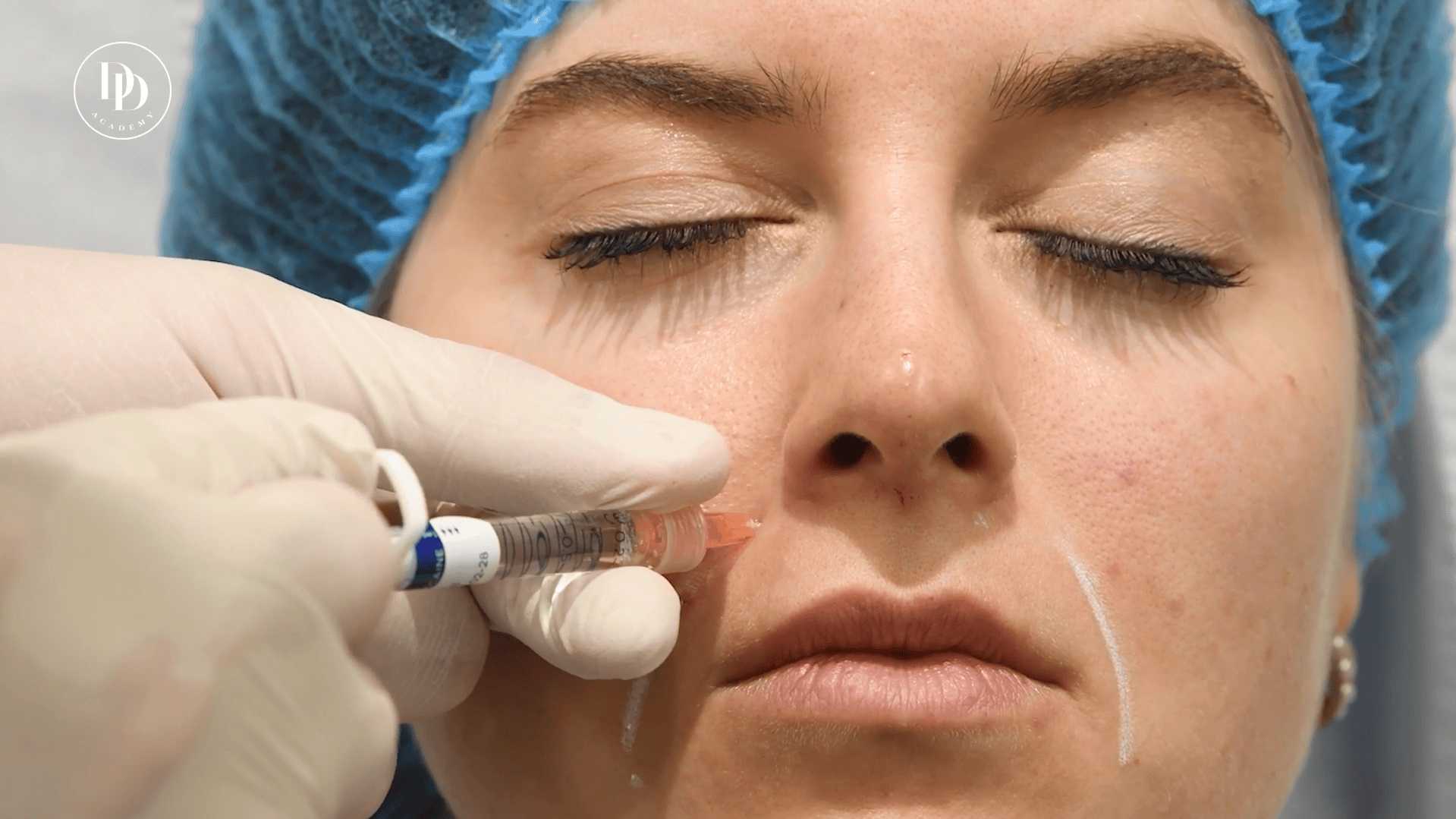
Nasolabial Folds: Anatomy, Ageing and Clinical Presentation

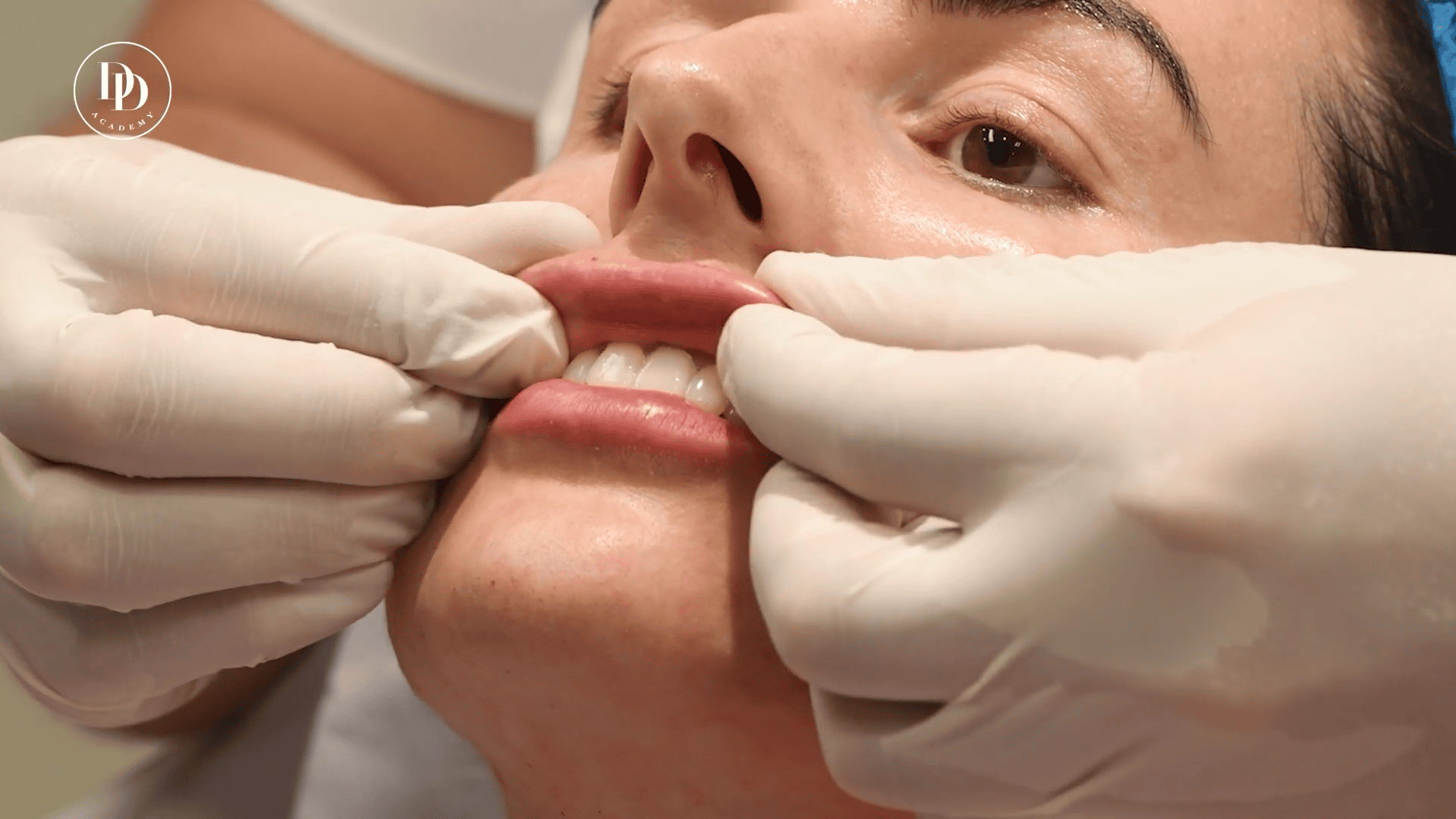
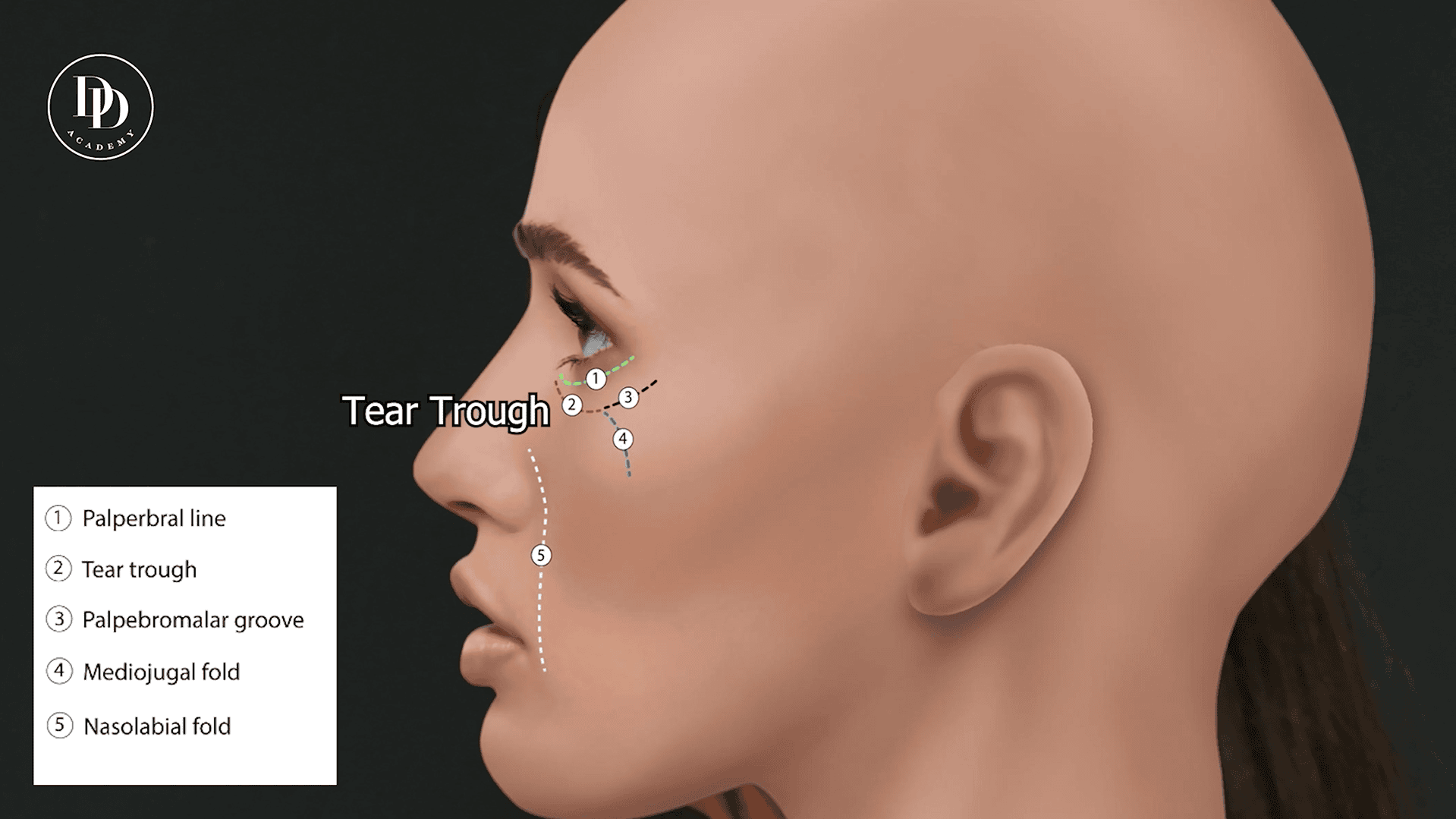
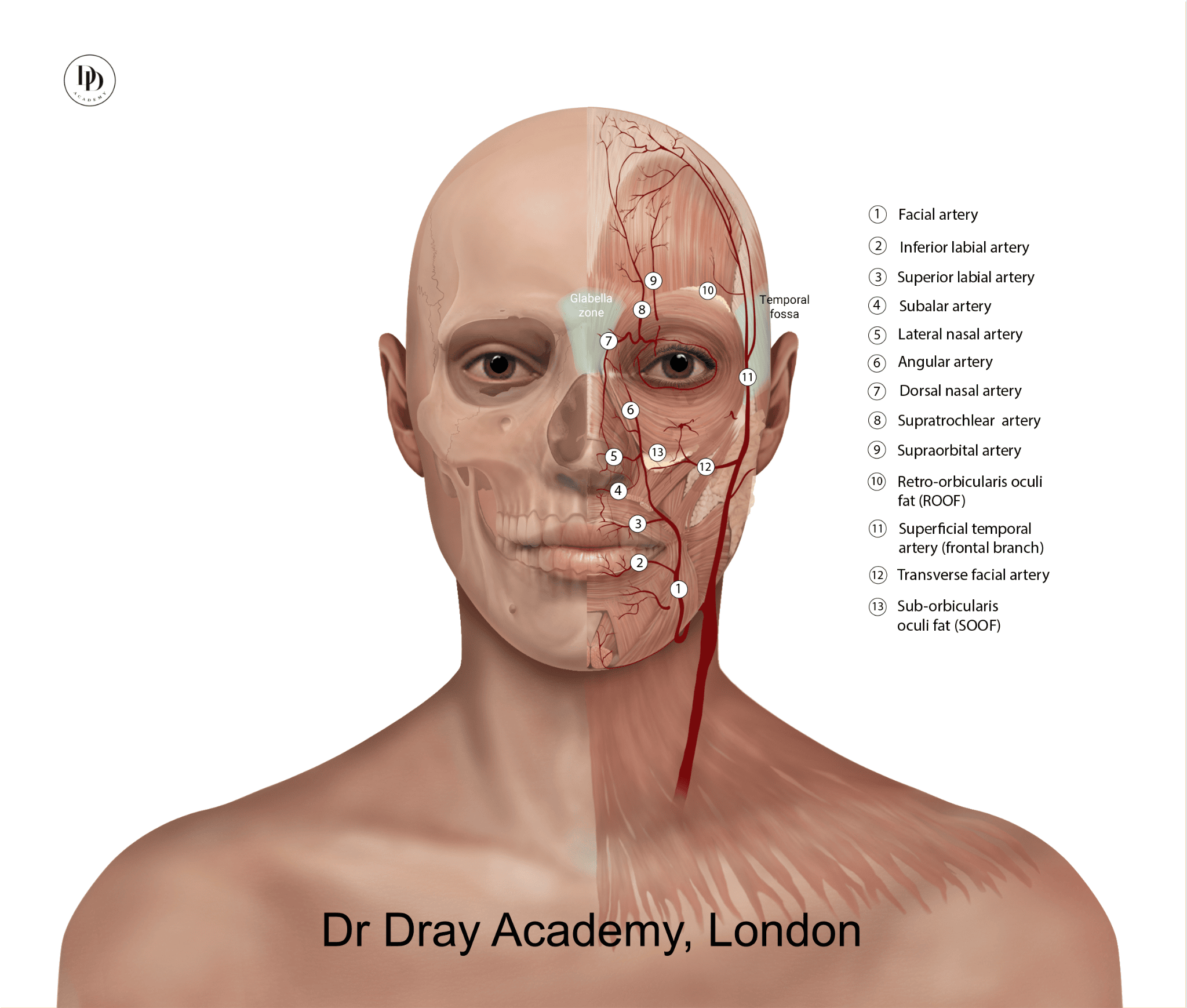
Nasolabial folds are concave depressions extending from the lateral nasal ala to the oral commissure. While present from birth, they become more prominent with age due to structural and soft tissue changes.

From a clinical standpoint, these folds are not just “lines”—they’re the visible result of deeper anatomical shifts.

Key contributors include:

  • Mid-face fat pad descent reducing support beneath the fold
  • Maxillary bone resorption decreasing projection
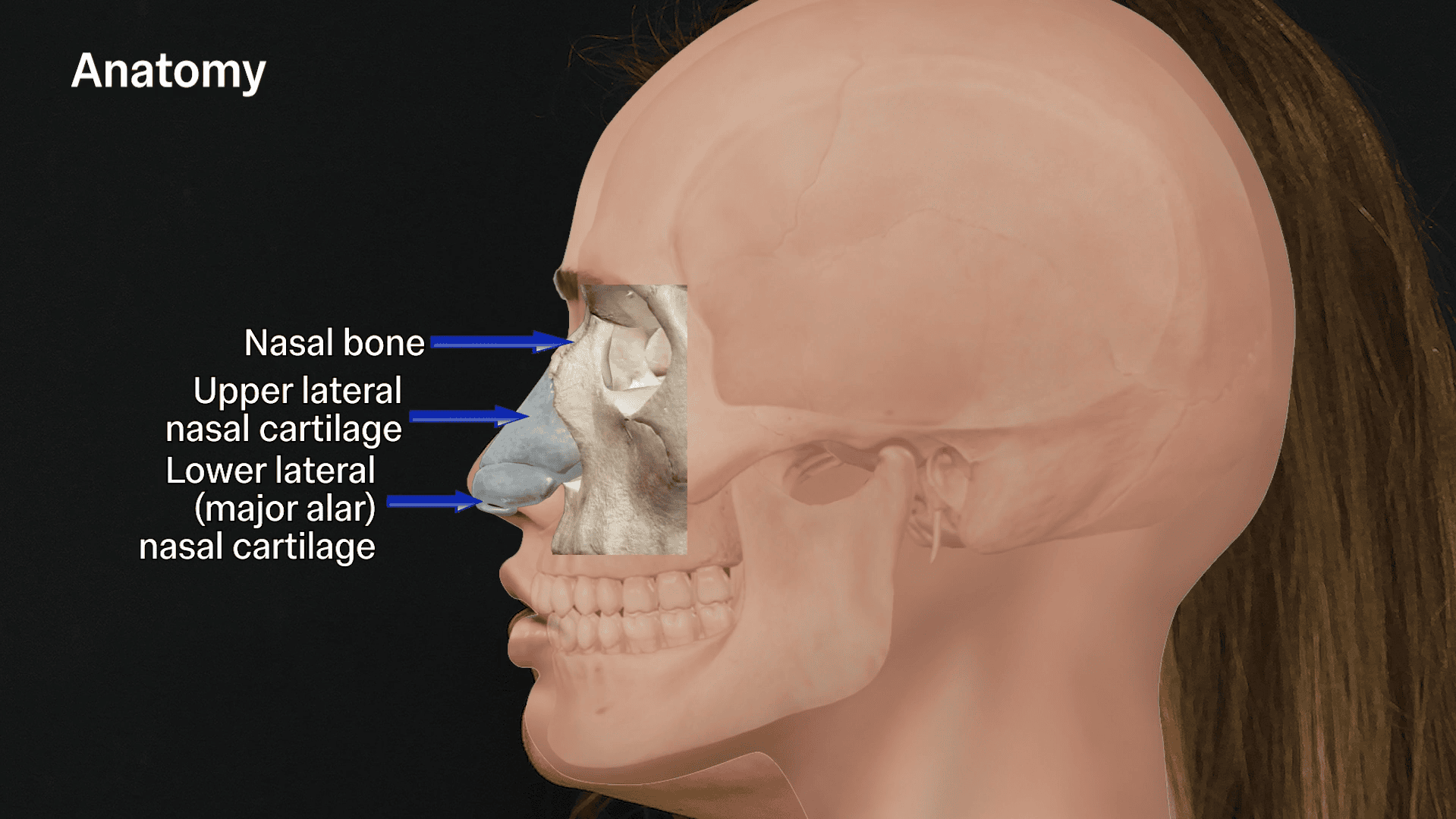
  • Piriform fossa changes weakening structural foundation
  • Dermal thinning increasing visibility of folds
  • Dynamic muscle activity exaggerating fold depth during expression

A practitioner must also distinguish nasolabial folds from marionette lines, as they require different treatment strategies. In clinic, I often see patients who believe both are the same concern—this is where your consultation and education become essential.

A 30–40-year-old patient may present with early volume loss and respond well to conservative correction. In contrast, a 50+ patient will often require a staged, full-face approach to achieve balanced results.

Treating the mid-face first is not optional—it’s foundational.

nasolabial lines filler facial anatomy midface ageing diagram

Why Train with Dr Dray Academy

At Dr Dray Academy, our training is designed to go beyond basic techniques — focusing on the clinical judgement, precision, and full-face understanding required to deliver natural, high-level results.

Our approach is built on over 45 years of experience treating some of the world’s most discerning patients, and these techniques are practiced daily across our London, Paris, and Abu Dhabi clinics.

How Nasolabial Fold Filler Works in Clinical Practice

Understanding how filler behaves in this region is what separates technically safe injectors from those delivering consistently good results.

Hyaluronic acid fillers remain the most commonly used option due to their safety profile and reversibility. In practice, their mechanism extends beyond simple volume replacement.

They work by:

  • Restoring lost structural support
  • Lifting depressed tissue planes
  • Improving light reflection across the fold
  • Attracting water for improved skin quality
  • Stimulating fibroblast activity over time

However, not all treatments should rely solely on direct fold correction.

Deep structural support is often achieved through mid-face or piriform fossa placement, while superficial refinement addresses the visible crease. Knowing when—and where—to place product is critical.

Patients should also be clearly advised: filler softens folds, it does not erase them entirely. Setting this expectation early avoids dissatisfaction later.

deep piriform space filler injection anatomy nasolabial fold support

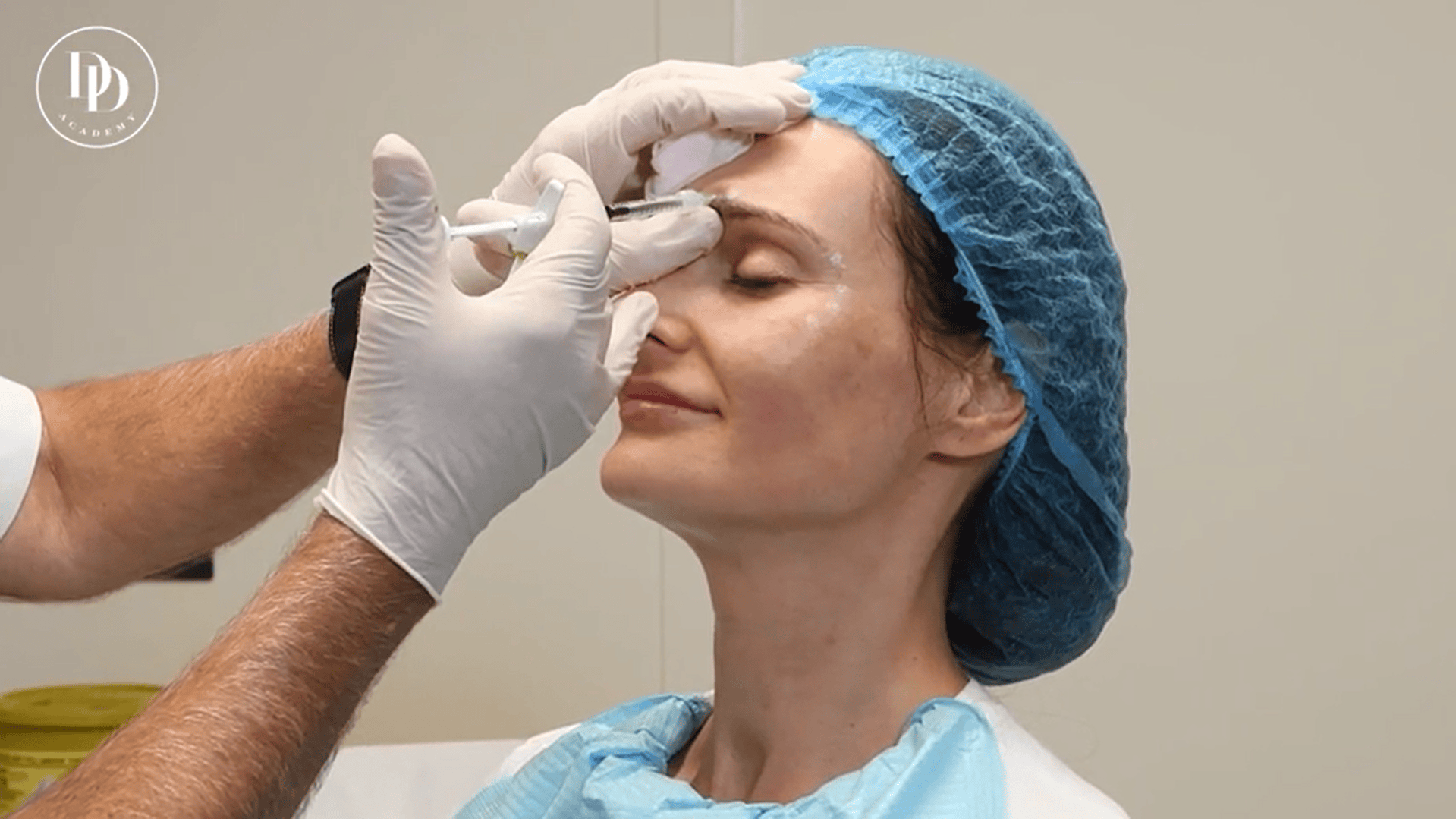
Nasolabial Lines Filler: Clinical Assessment and Treatment Planning

A practical walkthrough of how to assess nasolabial folds, identify underlying causes, and build a safe, natural-looking treatment plan using filler and combination approaches.

Frequently Asked Questions

Most patients require between 1–2ml per side depending on severity, but treatment should be staged rather than overfilled in one session.
Technically yes, but clinically it often leads to suboptimal results. Mid-face support is usually required for natural outcomes.
Hyaluronic acid fillers are reversible using hyaluronidase, which is one of the reasons they are preferred for this area.

If you are looking for aesthetic training in London that goes beyond basic techniques, Dr Dray Academy offers a clinically-led, full-face approach developed over 45+ years of real patient experience.

Unlike fragmented courses, our pathway teaches you how to assess, plan, and treat the face as a whole — combining dermal fillers, anti-wrinkle injections, skin boosters, and regenerative treatments into one cohesive system.

👉 Explore our full aesthetic training London programmes to see how the pathway works.

Most aesthetic courses in London teach isolated techniques.
Dr Dray Academy teaches clinical judgement, restraint, and full-face mastery.

Our training is built around the Undetectable Transformation Method™, used daily in leading clinics in London, Paris, and Abu Dhabi — focusing on natural, refined results that patients trust.

With small groups, 50+ hands-on procedures, and ongoing mentoring, you don’t just learn — you leave ready to treat patients confidently.

Our hands-on training takes place in Harley Street, London — one of the world’s most recognised medical districts.

This clinical environment ensures you train at the level expected of high-end private practice, working with real models under close supervision from experienced aesthetic doctors.

Yes — mentoring is a core part of the Dr Dray Academy pathway.

Beyond the initial training, you receive ongoing clinical support, case guidance, and business insight, helping you transition from learning into real-world practice with confidence.

This is where most practitioners struggle — and where our graduates continue to outperform.

Yes — our pathway is designed for both beginners and experienced medical professionals.

We guide you from foundations → hands-on training → confident practice, ensuring you develop not just technical ability, but the clinical thinking required to deliver safe, high-end results.

Become an Elite Aesthetic Practitioner

Get expert insights on aesthetic training, clinical techniques, and how to build a high-level practice. Join our private list for updates on upcoming training dates and opportunities.

Picture of Dr Dray Academy

Dr Dray Academy

Dr Dray Academy is a professional training platform dedicated to providing high-quality education in aesthetics and healthcare treatments. The content published is carefully created and reviewed to ensure accuracy, clarity, and real-world applicability.

Our team focuses on delivering expert guidance, training insights, and up-to-date industry knowledge to help students and professionals succeed in their careers. Each article is designed to be informative, trustworthy, and aligned with the latest standards in the field.

Discover our award winning Aesthetic Training in London here!

Related Blogs