LAST REMAINING SPACES FOR OUR JUNE 27TH - 28TH WEEKEND COURSE

What Is a Vascular Occlusion? (Dermal Filler & Lip Filler Focus)

Who This Is For

Not sure if you’re eligible? Speak with our team. We’ll guide you through the requirements and next steps.

Table of Contents

Understanding Vascular Occlusion in Aesthetic Practice

As an aesthetic trainer working closely with clinicians transitioning into injectables, vascular occlusion is one of the first complications I make sure every practitioner fully understands—not just theoretically, but clinically.

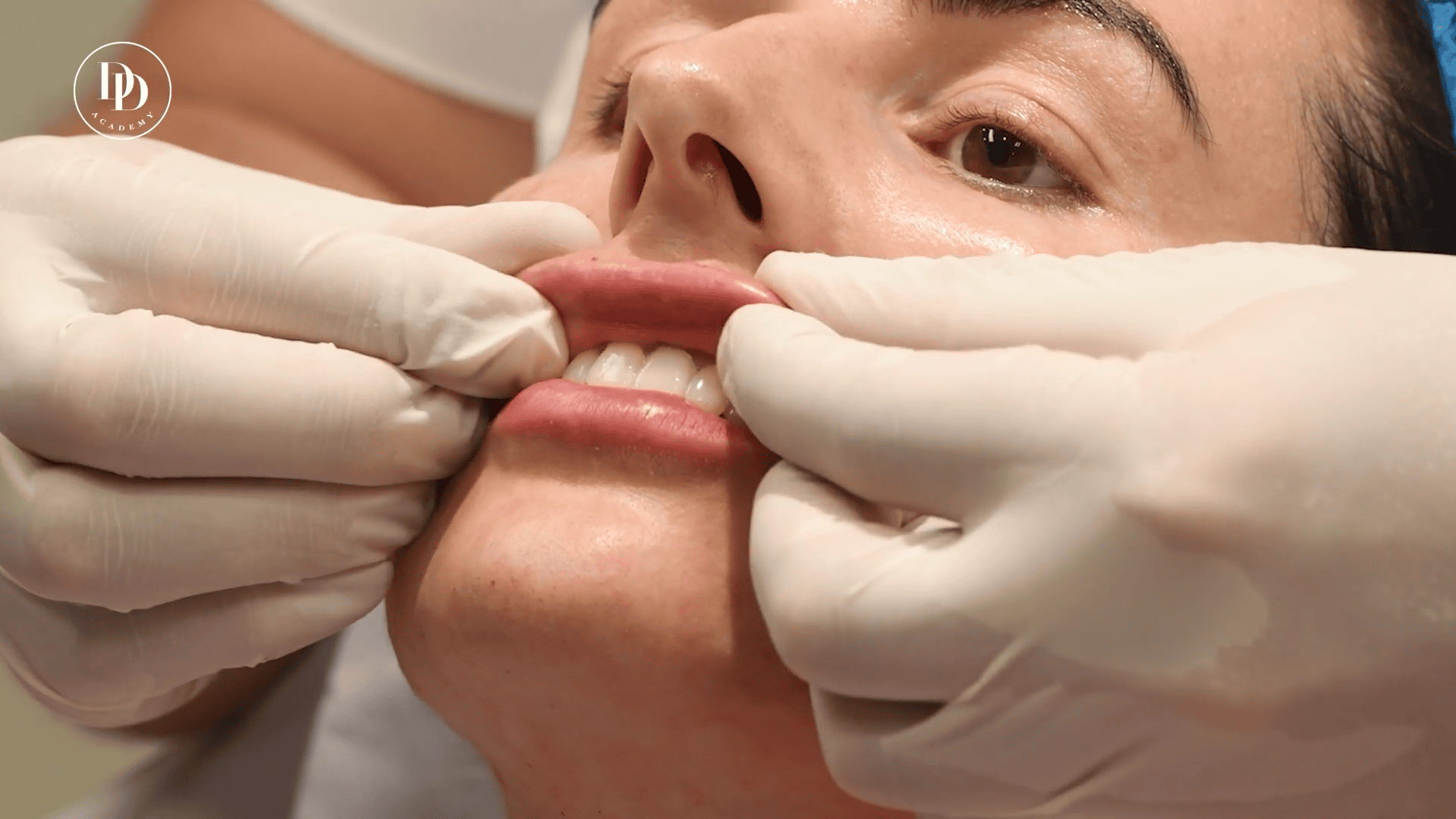
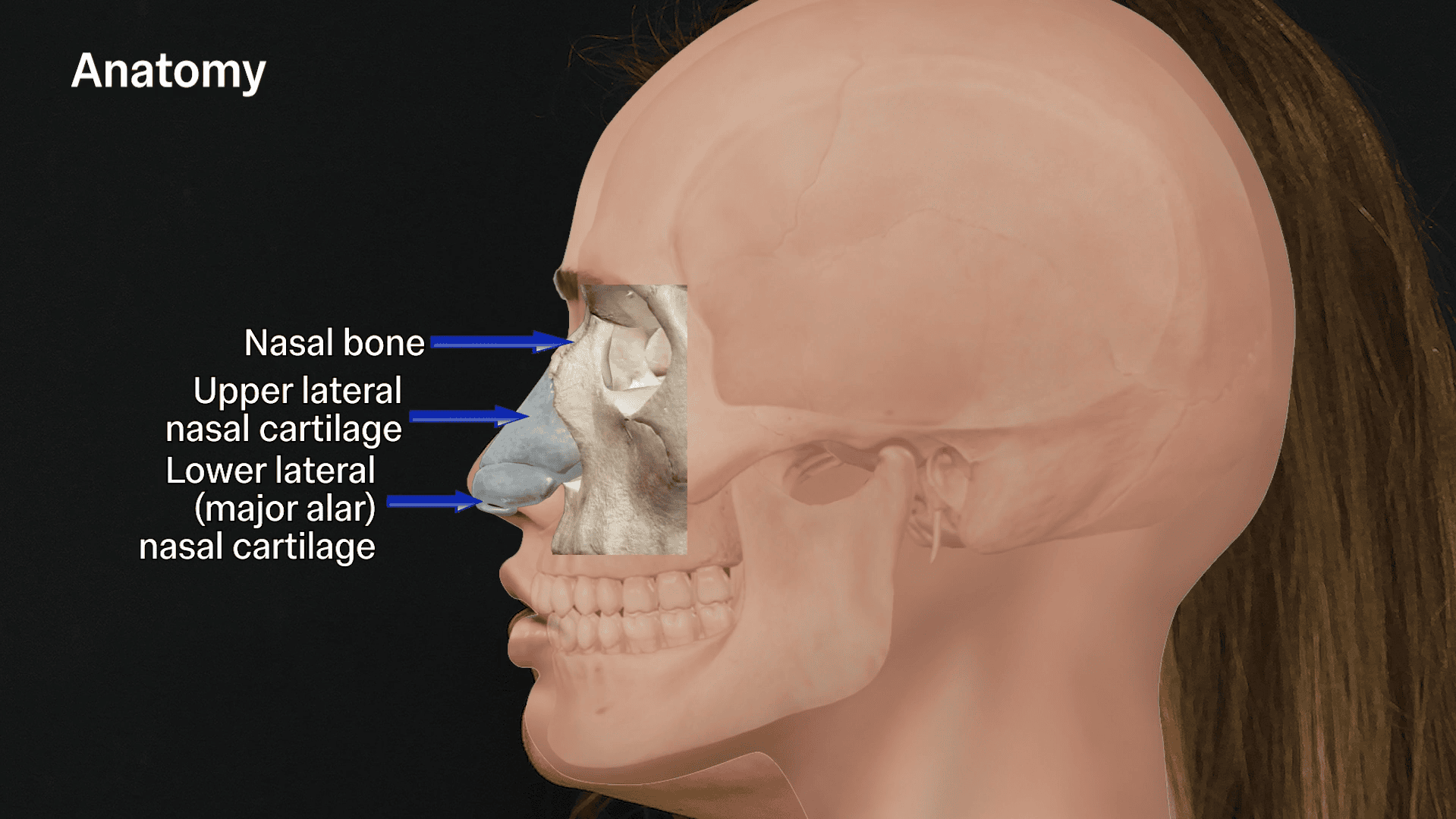
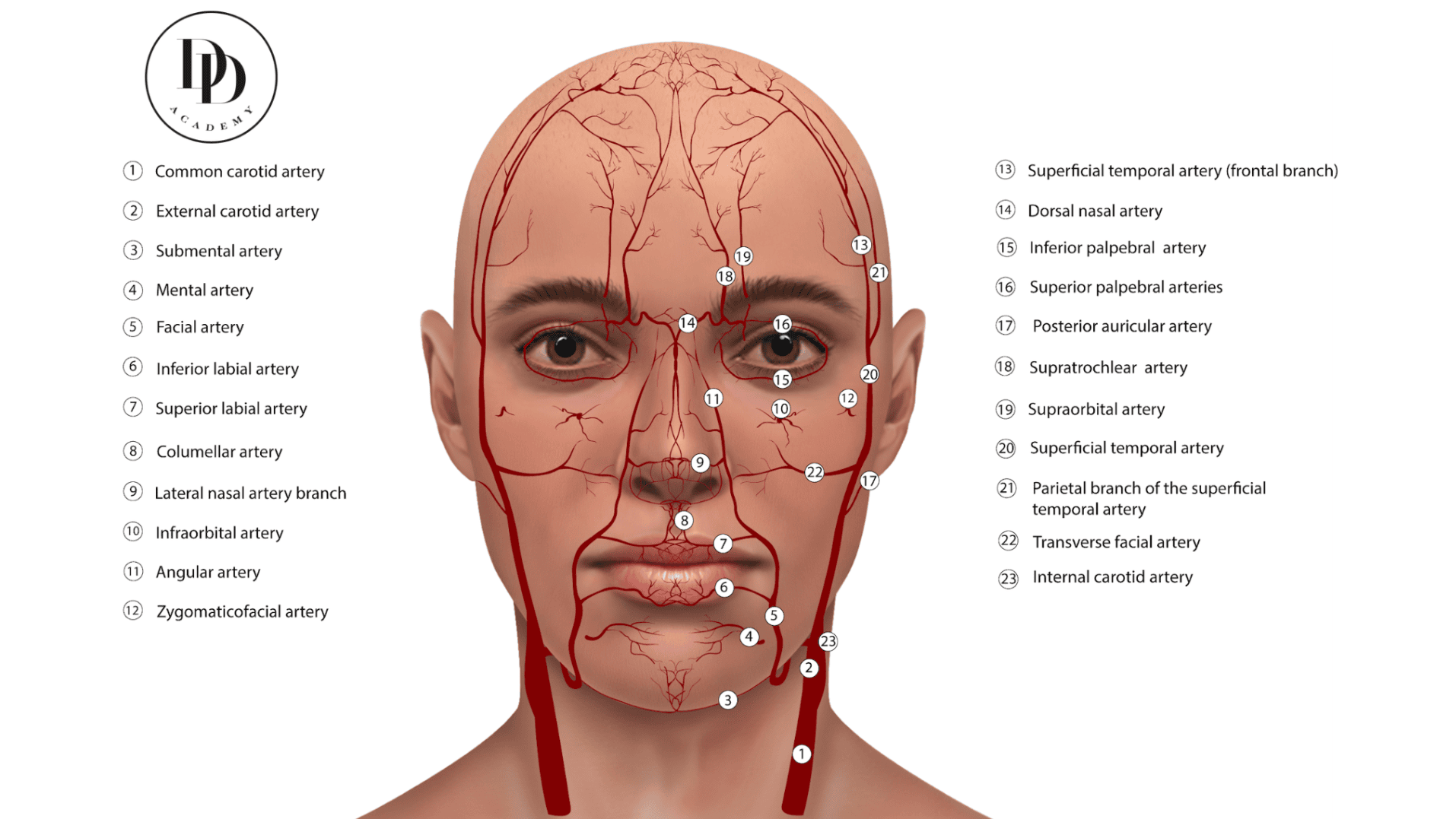
A vascular occlusion occurs when blood flow is blocked within a vessel, most commonly due to dermal filler inadvertently entering or compressing an artery. In treatments such as lip filler, nasal filler, or nasolabial fold correction, this becomes particularly critical due to the high-risk vascular anatomy of the face.

While rare, it is one of the most serious complications in aesthetic medicine and requires immediate recognition and decisive intervention to prevent tissue loss or long-term damage.

For practitioners building confidence in complication management, structured education is essential. At Dr. Dray Academy, we focus heavily on complication prevention and emergency response training through our clinically led programmes, including advanced filler safety pathways and hands-on mentorship.

To support your foundational understanding of injectable safety, you can also explore our structured learning approach within our aesthetic training programmes, designed specifically for registered healthcare professionals entering medical aesthetics.
What Happens During a Vascular Occlusion?

In normal physiology, oxygenated blood travels through a network of arteries to supply tissues with nutrients and oxygen. A vascular occlusion interrupts this process, creating an ischemic state where tissue begins to suffer due to lack of oxygen.

In dermal filler treatments, this typically occurs through two mechanisms:

Mechanism What Happens Clinical Presentation
Intravascular injection Filler is injected directly into the vessel, creating a physical blockage Immediate severe pain, blanching
External compression Filler compresses a vessel externally Gradual onset colour change and discomfort

High-risk zones include the lips, glabella, nasolabial folds, and nose, where arterial supply is limited and collateral circulation is minimal.


Early Tissue Response and Progression

Once blood flow is disrupted, tissues shift from aerobic to anaerobic metabolism. This ischemic window is time-sensitive—often within hours, not days.

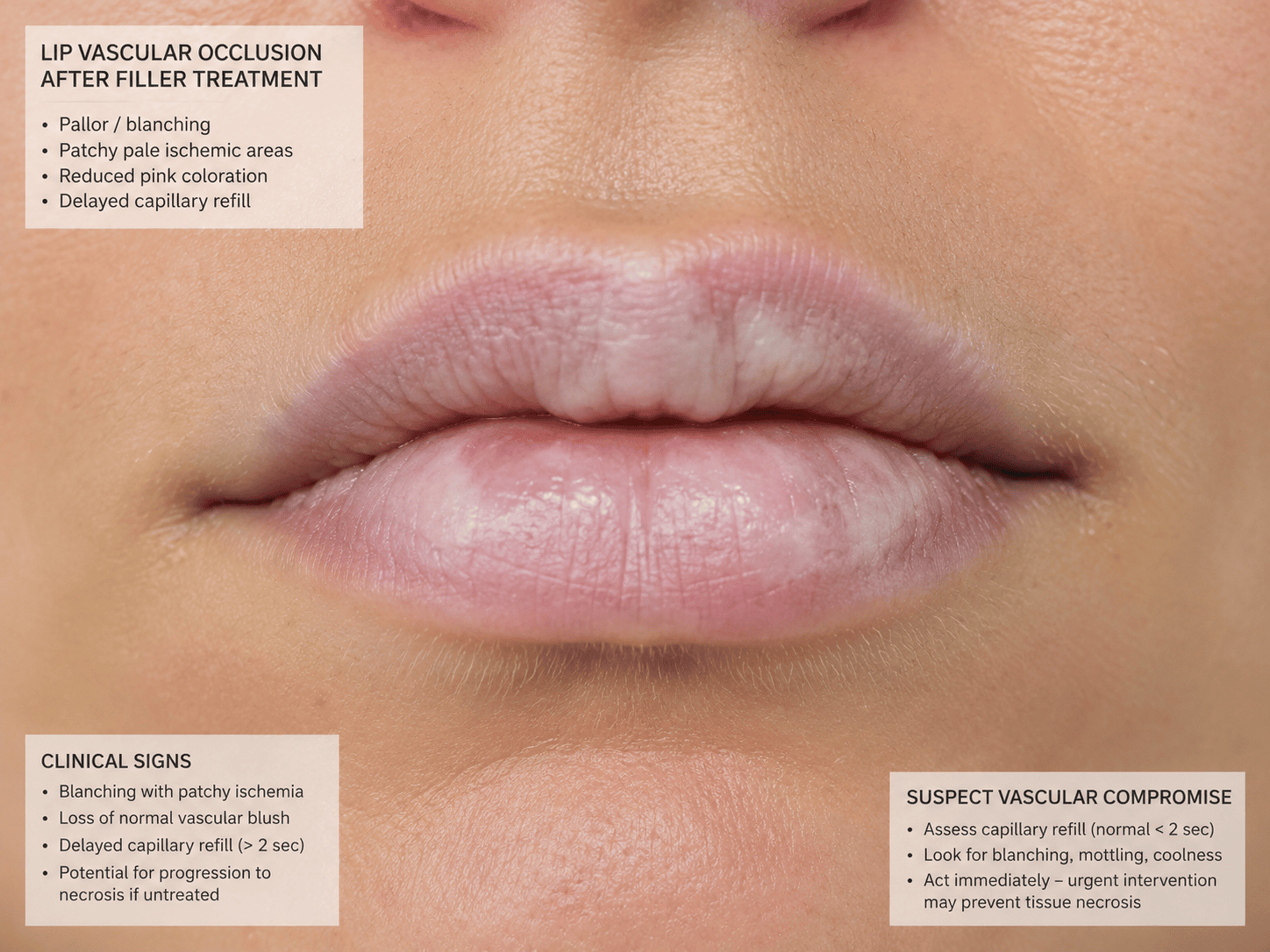
Early signs include:

  • Severe disproportionate pain
  • Skin blanching or pallor
  • Delayed capillary refill (>3 seconds)
  • Cool temperature over affected skin

Without intervention, this may progress to livedo reticularis, blistering, and eventual necrosis.

vascular anatomy lips nasolabial folds glabella dermal filler risk areas

Why Train with Dr Dray Academy

At Dr Dray Academy, our training is designed to go beyond basic techniques — focusing on the clinical judgement, precision, and full-face understanding required to deliver natural, high-level results.

Our approach is built on over 45 years of experience treating some of the world’s most discerning patients, and these techniques are practiced daily across our London, Paris, and Abu Dhabi clinics.

Early Warning Signs Every Injector Must Recognise

In clinical practice, vascular occlusion is not diagnosed by a single sign—it is recognised through pattern recognition and rapid assessment.

The most important early indicators include:

1. Disproportionate Pain

Pain that is sharp, burning, or escalating during or after injection is a major red flag. This is not typical procedural discomfort.

2. Skin Colour Changes

  • Immediate blanching
  • Grey or white patch formation
  • Livedo reticularis (net-like purple pattern)

3. Capillary Refill Delay

Capillary refill is a fundamental bedside test:

  • Normal: <2–3 seconds
  • Concerning: >3 seconds
  • Critical: No refill

4. Temperature Change

Affected skin often feels noticeably cooler compared to surrounding tissue.


Clinical Teaching Insight

In training environments, we emphasise that vascular occlusion should never be ruled out prematurely. If suspicion exists, it is treated as an emergency until proven otherwise.

This is a core principle taught in our advanced filler complication training pathway.


Emergency Management of Vascular Occlusion

When vascular occlusion is suspected, time becomes the most critical factor in tissue survival.

Immediate Clinical Response:

  • Stop injection immediately
  • Assess pain, colour, and capillary refill
  • Maintain patient communication
  • Activate emergency protocol

First-Line Management:

  • Warm compress application (to encourage vasodilation)
  • Gentle massage if compression suspected
  • Immediate hyaluronidase administration (for HA fillers)

Hyaluronidase Protocol (Clinical Use):

  • High-dose emergency use required
  • Direct injection into affected vascular territory
  • Repeated dosing every 15–30 minutes if needed
  • Continue until perfusion improves

Clinical Reality Check

In real-world aesthetics, outcomes are determined not by whether complications occur—but by how quickly they are recognised and managed.

This is why structured emergency training is central to our clinical mentorship model at Dr. Dray Academy.

Lip Vascular Anatomy and Safe Dermal Filler Injection Principles

In this preview, Dr Maurice Dray explains the key vascular anatomy of the lips, including the course, depth, and clinical relevance of the labial vessels during dermal filler treatment. This short extract introduces the anatomical principles used to improve injection safety, reduce vascular risk, and plan more precise lip treatments.

The full training goes into greater detail on vessel positioning, danger zones, injection depth, product placement, and practical safety techniques for treating the lips with confidence.

Frequently Asked Questions

No, it is rare, but it remains one of the most serious complications in aesthetic medicine and must always be considered in high-risk treatments.
Yes, in most hyaluronic acid filler cases, early intervention with hyaluronidase can restore blood flow and prevent tissue damage.
Ideally within the first 60–90 minutes. Delays significantly increase the risk of tissue necrosis.

If you are looking for aesthetic training in London that goes beyond basic techniques, Dr Dray Academy offers a clinically-led, full-face approach developed over 45+ years of real patient experience.

Unlike fragmented courses, our pathway teaches you how to assess, plan, and treat the face as a whole — combining dermal fillers, anti-wrinkle injections, skin boosters, and regenerative treatments into one cohesive system.

👉 Explore our full aesthetic training London programmes to see how the pathway works.

Most aesthetic courses in London teach isolated techniques.
Dr Dray Academy teaches clinical judgement, restraint, and full-face mastery.

Our training is built around the Undetectable Transformation Method™, used daily in leading clinics in London, Paris, and Abu Dhabi — focusing on natural, refined results that patients trust.

With small groups, 50+ hands-on procedures, and ongoing mentoring, you don’t just learn — you leave ready to treat patients confidently.

Our hands-on training takes place in Harley Street, London — one of the world’s most recognised medical districts.

This clinical environment ensures you train at the level expected of high-end private practice, working with real models under close supervision from experienced aesthetic doctors.

Yes — mentoring is a core part of the Dr Dray Academy pathway.

Beyond the initial training, you receive ongoing clinical support, case guidance, and business insight, helping you transition from learning into real-world practice with confidence.

This is where most practitioners struggle — and where our graduates continue to outperform.

Yes — our pathway is designed for both beginners and experienced medical professionals.

We guide you from foundations → hands-on training → confident practice, ensuring you develop not just technical ability, but the clinical thinking required to deliver safe, high-end results.

Become an Elite Aesthetic Practitioner

Get expert insights on aesthetic training, clinical techniques, and how to build a high-level practice. Join our private list for updates on upcoming training dates and opportunities.

Picture of Dr Dray Academy

Dr Dray Academy

Dr Dray Academy is a professional training platform dedicated to providing high-quality education in aesthetics and healthcare treatments. The content published is carefully created and reviewed to ensure accuracy, clarity, and real-world applicability.

Our team focuses on delivering expert guidance, training insights, and up-to-date industry knowledge to help students and professionals succeed in their careers. Each article is designed to be informative, trustworthy, and aligned with the latest standards in the field.

Discover our award winning Aesthetic Training in London here!

Related Blogs